
Does Washing Produce Actually Remove Pesticides?
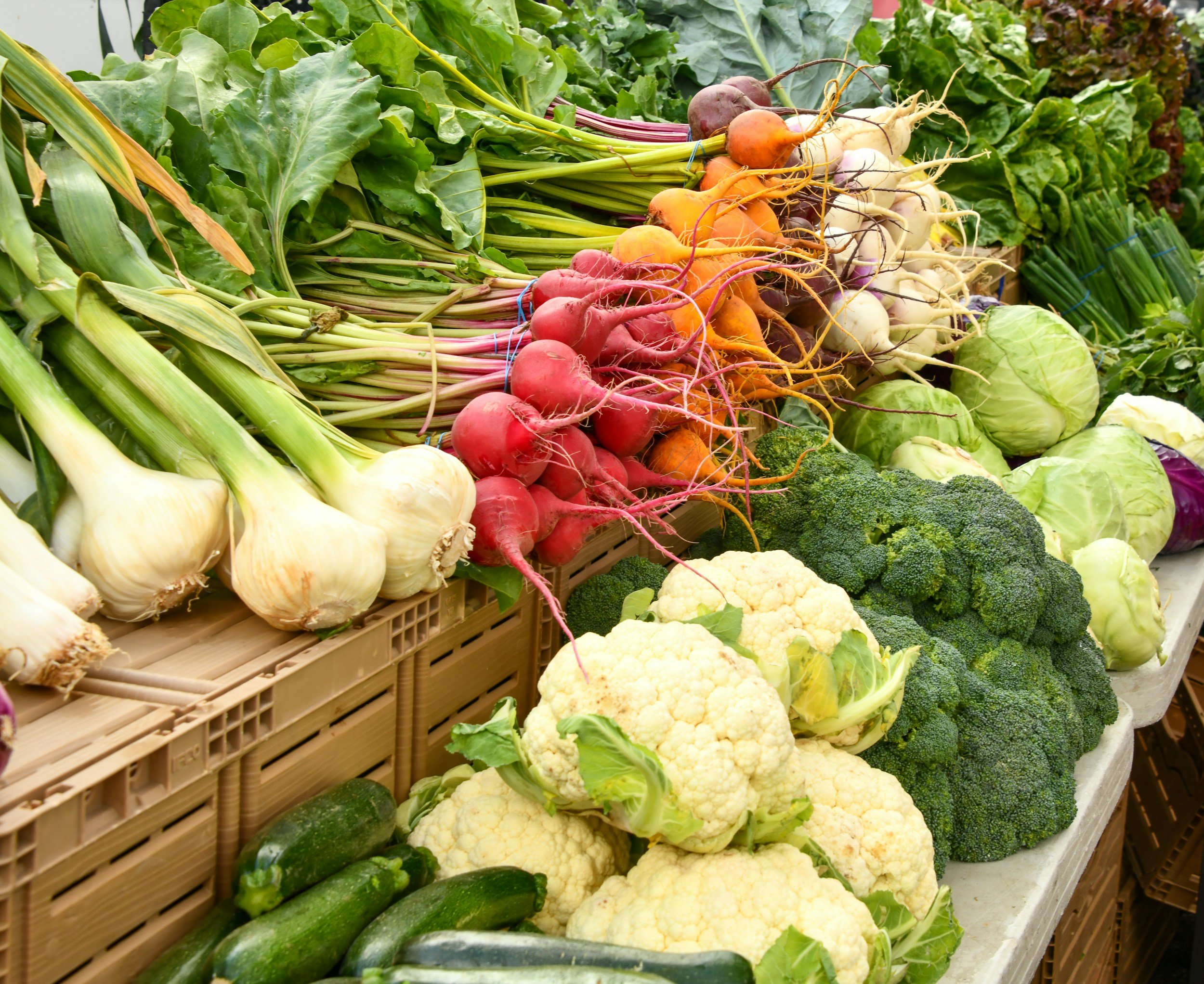
Farmers market season is in full swing, and so is the annual question that comes with a counter full of fresh strawberries and greens: does washing produce actually get rid of pesticides, or is that more of a comforting ritual than a real solution? The honest answer is that washing helps, sometimes a lot, but how much depends on what kind of pesticide you're dealing with, which is a detail most quick tips skip entirely.
Surface Residue Versus Systemic Residue
Pesticides fall into two categories that act very differently once they're on your food. Some sit only on the outside of the produce, the way dust sits on a countertop. These are called contact, or surface, pesticides. Others, called systemic pesticides, get absorbed into the plant as it grows, so the compound ends up mixed into the flesh itself, not just sitting on the skin.
That difference is what determines whether washing helps. A surface residue can be physically washed away, given the right solution and enough time. A systemic residue is already inside the produce by the time it reaches your kitchen, so no amount of soaking or scrubbing will pull it back out. Most quick "wash your veggies" tips skip this detail entirely, which is why washing helps a lot without being a full fix.
What the Research Shows
The most cited study on this came out of the University of Massachusetts Amherst in 2017, led by chemist Lili He. Her team sprayed two pesticides, thiabendazole and phosmet, onto apples, then compared how well plain water, a bleach solution, and a baking soda solution washed them off. Baking soda won, clearly. A 1% baking soda solution completely removed the surface residue of thiabendazole after a 12 minute soak and phosmet after 15 minutes, beating out both water and bleach.
That same study also shows why the surface-versus-systemic distinction matters. By the time the apples were tested, roughly 20% of the thiabendazole and 4.4% of the phosmet had already worked their way beneath the skin. No washing method touched that part, because it was never on the surface to begin with.
A newer study adds an interesting wrinkle. A peer reviewed analysis from Environmental Working Group scientists this past spring looked across many different produce and pesticide combinations and found that vinegar soaking came out ahead overall, cutting residue by about half on average, though results swung widely depending on the specific pesticide and produce. Both baking soda and vinegar reliably beat plain water by a wide margin. The real takeaway isn't picking a single winner, it's that soaking in something mildly acidic or alkaline consistently does more than a plain water rinse, though how much more depends on the pesticide.
Commercial produce washes are harder to vouch for. The FDA hasn't formally tested or endorsed effectiveness claims for these products, so treat the marketing on the bottle the same way you'd treat any unverified claim.
What's New in This Year's Pesticide Data
This year's Environmental Working Group pesticide report had a finding that matters if you've followed any PFAS coverage. PFAS, short for per and polyfluoroalkyl substances, are synthetic chemicals that don't break down once they're in the environment or your body, and they usually come up in conversations about nonstick cookware or contaminated water, not produce. This year's testing found PFAS pesticides on 63% of Dirty Dozen samples, and one fungicide specifically, fludioxonil, showed up in close to 90% of the peaches and plums tested. Pesticide residue and PFAS have mostly been treated as separate problems, so this is one of the first real signs that they overlap more than anyone realized.
Take that seriously, but it's not a reason to panic. Most tested produce, including everything on the Dirty Dozen, still comes in under the legal limits the EPA sets, and the testing itself is designed to catch immediate risk rather than what years of small, repeated exposure might add up to, which is a question science hasn't fully settled either way.
How to Wash Your Produce
For a meaningful reduction in surface residue without much effort, a baking soda soak is the best supported option: dissolve about one teaspoon of baking soda per two cups of water, soak firm produce like apples or potatoes for 12 to 15 minutes, then rinse under running water. Vinegar, diluted roughly one part vinegar to three parts water, is a reasonable substitute if that's what you have on hand, though it can leave a faint taste on delicate produce like berries. For anything you're eating in the next few minutes, even a thorough 30 second rinse under running water while rubbing the surface with your hands removes meaningfully more than no washing at all, and that's true even for organic produce.
Prioritizing Organic on a Budget
Buying everything organic isn't realistic for most households, which is the gap the Environmental Working Group's Dirty Dozen and Clean Fifteen lists are designed to fill. If your organic budget is limited, prioritizing these two lists does the most good.
The 2026 Dirty Dozen (conventionally grown produce with the highest pesticide residues):
Spinach
Kale, collard, and mustard greens
Strawberries
Grapes
Nectarines
Peaches
Cherries
Apples
Blackberries
Pears
Potatoes
Blueberries
The 2026 Clean Fifteen (conventionally grown produce with the lowest pesticide residues, nearly 60% with no detectable residue at all):
Pineapple
Sweet corn
Avocado
Papaya
Onion
Frozen sweet peas
Asparagus
Cabbage
Cauliflower
Watermelon
Mango
Banana
Carrots
Mushrooms
Kiwi
Buying Clean Fifteen items conventionally and putting the savings toward organic versions of Dirty Dozen items is a genuinely effective way to reduce overall exposure without doubling your grocery bill. Frozen fruit and vegetables are a good option too for items like berries and greens, since they're typically processed and washed shortly after harvest.
The Bottom Line
Wash your produce every time, and reach for a baking soda or vinegar soak when you have the extra few minutes, since it gets you noticeably further than a quick rinse. It just isn't a complete answer on its own, since no wash reaches pesticide that's already inside the plant. Pair a good wash habit with smart organic buying, using the Dirty Dozen and Clean Fifteen as your guide instead of trying to go fully organic, and you've covered both halves of the problem without overhauling your grocery routine or your budget.
