
Which Native Plants Actually Support Pollinators in Your Region
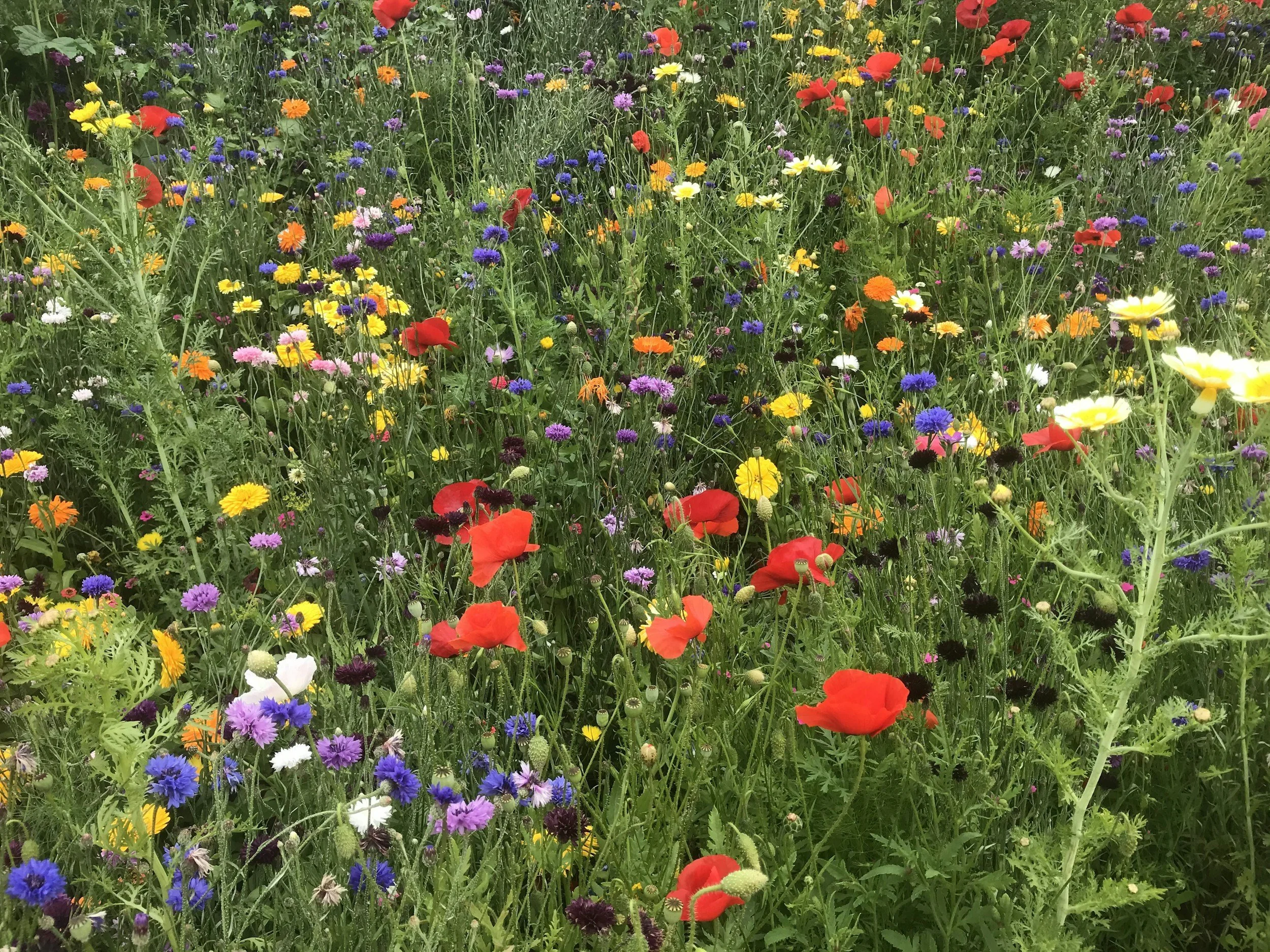
Every June, garden centers fill up with plants labeled "pollinator-friendly," and plenty of well-meaning gardeners take them home. Some of those plants do help. Others are labeled native but sourced from nursery stock so far removed from local genetic populations that they barely register with the insects they're supposed to support. The difference matters more than most gardening resources acknowledge, and understanding it will help you get real results from whatever space you're working with.
The core issue is that "native" is not a single, uniform category. A plant can be native to North America, native to the eastern United States, or native to the specific ecoregion where you live, and those distinctions carry very different ecological weight. Many specialist bee species, bees that have evolved to forage on one or a few specific plant genera, depend on locally adapted plant populations that have co-evolved with them over thousands of years. When you plant a species that's technically native to your region but was grown from seed sourced in a different part of the country, you may be getting a plant that looks identical but behaves differently in terms of bloom timing, nectar chemistry, and the signals it sends to local insects.
What Ecoregion Actually Means
The EPA divides the United States into ecoregions, geographic areas defined by shared ecology: climate, soils, vegetation, and wildlife. The Level III ecoregion map shows 104 distinct regions, and your location in one of them determines which plant communities evolved there and which insects evolved alongside them. The US Fish and Wildlife Service and many state wildlife agencies use similar frameworks for conservation planning.
The EPA maintains an interactive map at epa.gov/eco-research where you can look up your Level III region, which gives you a meaningful framework for plant selection. Your local native plant society, typically findable through the Native Plant Society directory, will have curated species lists specific to your area. University cooperative extension offices, which operate in every state, often publish free regional planting guides with specific cultivar and sourcing guidance.
The practical implication: a coneflower native to the tallgrass prairie region of Illinois will not necessarily support the same specialist bees as a coneflower native to the mid-Atlantic piedmont, even though both are technically Echinacea purpurea. The locally adapted population has flower timing, pollen protein content, and volatile chemistry shaped by the same selective pressures as the insects in that place.
Which Plant Genera Deliver the Most Value
Region matters, but it doesn't mean starting from scratch with no guidance. Research from the Tallamy lab at the University of Delaware consistently finds that a relatively small number of plant genera support a disproportionate share of native bee and butterfly diversity across North America. These genera appear in multiple ecoregions, tolerate a wide range of conditions, and have native species or close relatives adapted to most parts of the country. Think of them as a shortlist to bring to your local native plant society or extension office, where someone familiar with your specific region can confirm which species within each genus are appropriate for your area.
Goldenrod (Solidago) blooms in late summer and fall when most other nectar sources are gone, and it supports over 100 native bee species. It has an undeserved reputation as a hay fever trigger, but the real culprit is ragweed, which blooms at the same time. Goldenrod pollen is too heavy and sticky to travel by wind. It's insect-pollinated and poses no allergy problem for most people.
Wild bergamot and bee balm (Monarda) provide nectar generously through midsummer and attract long-tongued bees, including several bumble bee species whose populations have declined significantly. The tubular flowers are specifically structured for bees with the tongue length to access them, making this a high-value choice for supporting specialist feeders.
Milkweed (Asclepias) is widely known as the host plant for monarch butterfly larvae, but it also supports dozens of native bee species as a nectar source. Common milkweed (Asclepias syriaca), butterfly weed (Asclepias tuberosa), and swamp milkweed (Asclepias incarnata) cover a range of soil conditions and sun levels. Butterfly weed specifically has been shown to support 11 specialist bee species that forage exclusively or primarily on milkweed.
Wild native asters (Symphyotrichum) are the fall counterpart to goldenrod, blooming when bee populations are building reserves for winter. They're often sold under the old genus name Aster, but the North American species have been reclassified. New England aster and smooth blue aster are among the most productive for pollinators and are widely available from native nurseries.
Regional starting points vary considerably. In the Northeast and mid-Atlantic, native viburnums, wild geranium, and Virginia bluebells cover the early spring gap when overwintering queens first emerge, with ironweed and joe-pye weed extending the season into late summer for a range of generalist and specialist bees. The Southeast has a longer growing season and correspondingly richer native flora: native penstemons, spiderwort, and native azaleas provide early color, while native sunflowers (Helianthus) and ironweed carry pollinators through the heat of summer into fall. The Southeast also hosts a high concentration of native bee species found nowhere else, making local ecotype sourcing particularly important in that region.
The Pacific coast supports an ecologically distinct pollinator community shaped by Mediterranean climate patterns, with dry summers and wet winters. Native buckwheats (Eriogonum) are among the most productive genera on the West Coast, supporting dozens of specialist bee species and blooming through the dry season when little else is available. Native poppies, clarkia, and phacelia provide early-season color, while native salvias and gumplant (Grindelia) extend into summer. In California specifically, the loss of native bunchgrass habitat has made even small residential patches of native plantings ecologically significant for ground-nesting bees that require open, undisturbed soil. The Midwest prairie region has arguably the richest native pollinator flora in the country, built around the same prairie composites, grasses, and legumes that dominated the landscape before agricultural conversion, and species like prairie dropseed, compass plant, and native clovers reward gardeners willing to manage for the slower establishment pace that deep-rooted prairie plants require.
Sourcing Plants That Actually Work
Buying the right species is only half the equation. Where the plant comes from genetically determines how well it integrates with local ecology. The term for this is "local ecotype," meaning a population of a species that has adapted over generations to the specific conditions of a place.
When buying native plants, look for nurseries that specialize in native species and can tell you where their seed stock originated. Reputable native plant nurseries will know whether their coneflowers were grown from regional seed or commercially sourced from seed farms in other states. The Xerces Society maintains a directory of regional native plant nurseries at xerces.org, organized by state, and this is a reliable starting point. Many state native plant societies maintain similar lists.
Cultivars, which are cultivated varieties bred for specific traits like unusual flower color or compact form, are a more complicated question. Some cultivars retain full ecological function. Others have been selected in ways that reduce pollen viability, alter bloom timing, or change nectar chemistry. The research is still developing, but a reasonable rule is to favor straight species over cultivars when you have a choice, and to be skeptical of plants with dramatically altered flower forms, since double-flowered cultivars in particular can reduce pollinator access to pollen and nectar.
Starting Small Without Losing Momentum
You don't need to overhaul your entire yard this summer. A single well-chosen native plant in a container on a balcony supports pollinators in ways that a manicured ornamental garden doesn't. Even in a small suburban yard, converting a 50-square-foot patch near a fence line or in a corner that's hard to mow produces measurable results. Native plants typically need less water and no fertilizer once established, which makes them genuinely lower maintenance over time, though the first growing season often requires consistent watering while root systems develop.
Budget-wise, native plants from specialty nurseries do cost more than conventional bedding plants. Starting from seed is significantly cheaper and lets you source local ecotypes directly from regional seed suppliers. Seed packets for goldenrod, wild bergamot, and native asters typically run a few dollars and produce dozens of plants. Native plant society sales, held in spring in most regions, often offer locally sourced plants at lower prices than commercial nurseries and are worth finding in your area.
One patch in one yard won't reverse biodiversity loss. That's worth saying directly. The scale of habitat fragmentation driving pollinator declines runs to millions of acres, and the primary drivers are agricultural land use, not residential garden choices. The mechanism by which individual patches matter is well-documented, though: pollinators navigate fragmented landscapes by moving between habitat islands, and each additional patch reduces travel distance and resource stress. A neighborhood where a meaningful share of yards contain native plantings functions ecologically as a corridor, connecting larger natural areas and supporting populations that couldn't persist otherwise.
June is the right time to plant most native perennials in most of the country. The soil is warm, rain is reasonably reliable across much of the region, and fall bloomers like goldenrod and asters have enough season to establish before they flower. If you've been planning to make a change, this is the window to actually do it.
