
Cast Iron Cookware: The Non-Toxic Classic That Improves With Age
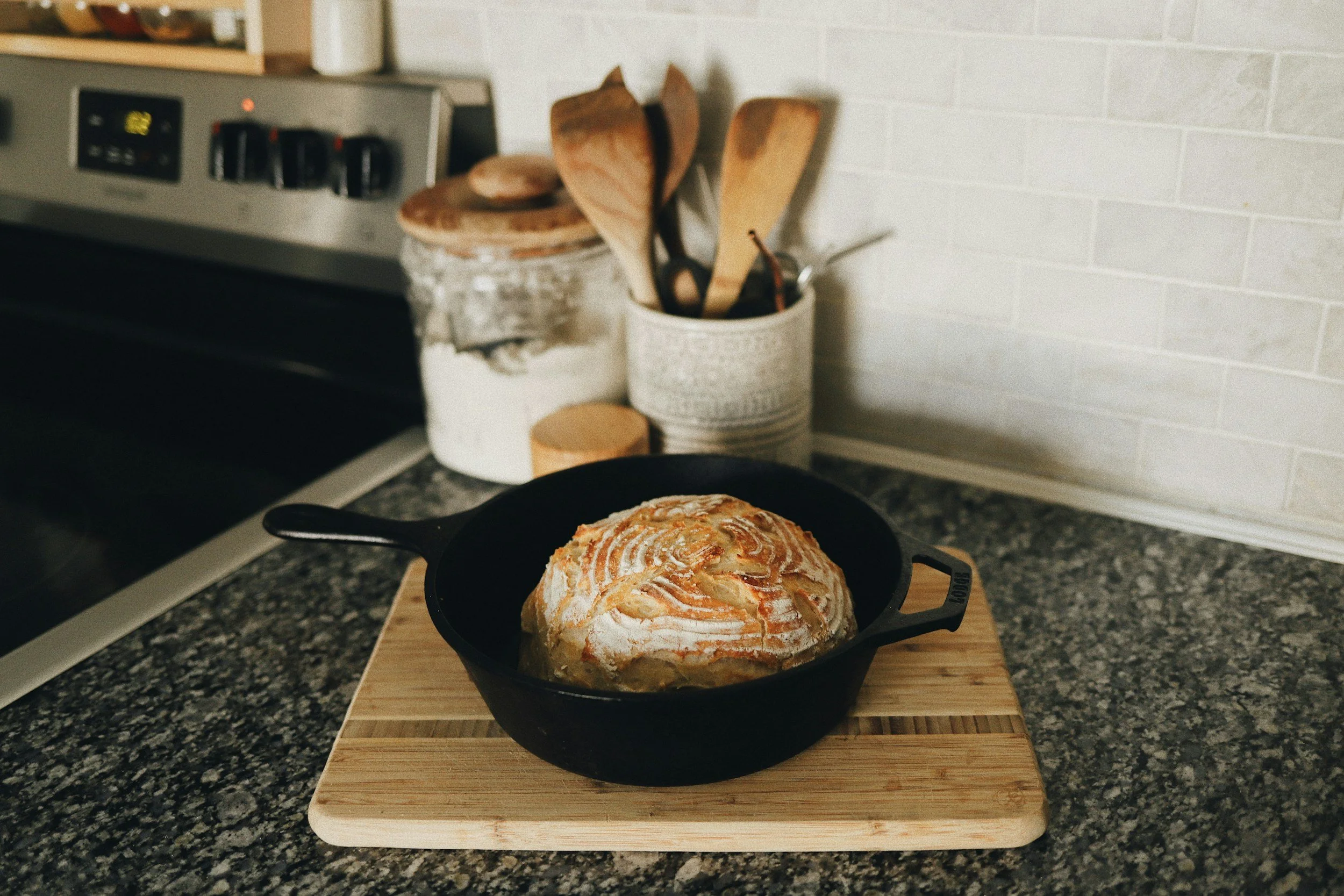
Cast iron cookware has been in continuous use for centuries, long before non-stick coatings were invented. Its composition hasn't changed: molten iron poured into sand molds and allowed to harden, with a small amount of carbon (around 2 to 4%) that distinguishes cast iron from wrought iron. That's it. No PFAS, no PTFE, no ceramic coatings, no chemical treatments of any kind. What makes cast iron compelling from a safety standpoint is precisely its simplicity, and what makes it compelling from a performance standpoint is that it genuinely gets better the more you use it.
This is part of our cookware series. Related posts cover ceramic coatings, stainless steel, and cast iron.
What Cast Iron Does Well
The thing cast iron does better than almost anything else is hold heat. Once it reaches temperature, it stays there, which is why it produces superior searing results compared to thinner cookware. A cold protein hitting a properly preheated cast iron skillet loses less surface heat on contact, which means better crust formation and less sticking. That same thermal mass makes it ideal for frying, where maintaining consistent oil temperature matters, and for baking applications like cornbread and frittatas where even heat from below and residual retention through oven transfer create results other pans can't replicate.
It also handles temperature ranges that would damage coated cookware. You can preheat it aggressively, move it directly from stovetop to a very hot oven, cook over an open fire, and use metal utensils without concern. There's nothing to degrade, chip, or wear through.
The limitations are real too, and worth understanding before you buy. Long-cooked acidic dishes, such as a tomato sauce simmered for several hours, can strip seasoning and increase iron leaching into food. Quick acidic cooking (deglazing with wine, a fast pan sauce) is fine, but extended acid contact is better handled by stainless steel or enameled cast iron. Delicate proteins like fish can stick on pans that aren't well-seasoned yet, and the weight is a genuine consideration: a 12-inch skillet typically runs 8 to 10 pounds, which matters for people with wrist or shoulder limitations.
The Iron Content Question
Cast iron can leach small amounts of iron into food, particularly acidic foods and long-cooked dishes. Research published in the Journal of Food Science found that spaghetti sauce cooked in cast iron saw its iron content increase from 0.6 mg to 5.7 mg per serving. For many people this is genuinely beneficial: the World Health Organization has promoted iron cookware in populations with high rates of iron deficiency anemia, and people at elevated risk of deficiency (menstruating women, vegetarians, pregnant women) may find this a useful dietary boost. Those with hemochromatosis, an iron overload disorder, should consult their healthcare provider before using cast iron regularly, since the additional dietary iron could be problematic for them specifically.
Understanding Seasoning
Seasoning is what gives cast iron its non-stick properties and protects it from rust. It's not a product you buy or a coating applied at the factory. It's polymerized fat: when oil is heated on cast iron above its smoke point, the fat molecules break down and recombine into a hard polymer that bonds to the iron's porous surface. This layer protects the iron from moisture and creates the slick surface that improves with use. Every time you cook with fat in a cast iron pan, you're adding micro-layers to that polymer foundation.
Most cast iron sold today comes pre-seasoned from the manufacturer, which means you can cook with it immediately. The seasoning won't be as developed as a pan that's been in use for a year, so some initial sticking is normal and not a sign of a problem. If you need to season from scratch (or re-season a stripped pan), the process is straightforward: wash and dry the pan thoroughly, apply an extremely thin layer of high-smoke-point oil (grapeseed, vegetable, or canola work well) all over the surface including the exterior and handle, then wipe off what looks like excess until the pan appears almost dry. Bake it upside down at 450 to 500°F for an hour, let it cool in the oven, and repeat the process three to five times to build a solid foundation.
One of the most persistent myths about cast iron is that you can't use soap on it. This rule originated when soaps contained lye, which could damage polymerized oil. Modern dish soap is a mild surfactant that removes food residue without harming a well-established seasoning layer. What does cause real damage is prolonged soaking (which causes rust), aggressive scrubbing with steel wool on a well-seasoned pan, and dishwashers. Mild soap, a soft brush or sponge, immediate thorough drying, and a brief minute on the stovetop to drive off any remaining moisture is the realistic daily routine.
Bare vs. Enameled Cast Iron
Cast iron comes in two distinct forms, and they suit different kitchens.
Bare cast iron is the traditional form: raw iron with a seasoned surface that you build and maintain. It's more affordable, handles high heat with no concerns, works fine with metal utensils, and genuinely improves over years of use. Its limitations are the seasoning maintenance, some reactivity with acidic foods over long cooking times, and the possibility of rust if stored improperly or left wet.
Enameled cast iron has a layer of porcelain enamel fused to the iron surface, which eliminates seasoning entirely. It handles acidic foods without any reactivity, is easier to clean, and comes in a wide range of colors and finishes. The trade-offs are meaningful: quality enameled pieces run $200 to $400 for a Dutch oven, the enamel can chip if the pan is dropped or heated empty, and metal utensils will scratch it over time. Unlike bare cast iron, enameled pieces don't improve with age.
Both are non-toxic. Bare cast iron suits high-heat cooking, daily use, and cooks who don't mind the maintenance. Enameled suits long-cooked braises, stews, and acidic dishes, and those who prefer lower-maintenance cookware and can absorb the higher price.
Safety and Vintage Pieces
Modern cast iron from established manufacturers contains no lead or other heavy metal additives. The manufacturing process requires only iron and carbon, and major producers don't introduce other materials. Vintage cast iron is worth more caution. Some very old pieces, particularly pre-1960s cookware and anything sold as decorative rather than functional, may contain lead. Inexpensive lead testing kits are available at hardware stores and are worth using on any vintage piece before cooking with it. Pieces from historically reputable American manufacturers are generally considered safe, but testing removes any uncertainty. The key distinction for any piece, old or new, is whether it was manufactured and sold specifically for cooking use. Decorative cast iron items were not made to food-safety standards and should stay decorative.
Building a Collection
Cast iron doesn't require matched sets or a large initial investment. A 10-inch or 12-inch skillet handles the vast majority of what most people cook in cast iron and is the right starting point. Budget options perform as well as premium brands for actual cooking; the difference at higher price points is weight (premium pans are often machined lighter), a smoother factory surface finish, and aesthetics. A budget skillet in the $20 to $30 range does everything cast iron is supposed to do. If you cook daily and care about a lighter pan with a finer finish, premium options in the $100 to $150 range are justifiable, but they're not necessary.
From there, expansion depends on what you actually cook. A Dutch oven (5 to 7 quart) opens up braises, bread baking, and one-pot meals; enameled is worth considering for this piece if acidic dishes are a regular part of your cooking. A smaller 6 to 8 inch skillet is useful for single-serving portions, eggs, and small-batch applications. Buying individual pieces as you identify a real need for them almost always makes more sense than a set.
The Learning Curve
The first weeks with cast iron involve more sticking and more cleanup effort than a well-seasoned pan requires. This is normal and resolves with use. Using adequate fat, preheating the pan properly before adding food, and resisting the urge to move food before it releases naturally all help. Within a few months of regular cooking, the difference in seasoning and ease is noticeable. After a year, cast iron tends to become the default choice for anything it does well, and the maintenance that seemed complicated at the outset becomes a five-minute routine.
What cast iron offers in exchange for that learning period is cookware with no planned obsolescence, no coatings to monitor for degradation, and a durability that is genuinely generational. A well-maintained skillet passes from kitchen to kitchen across decades. That's a different value proposition than anything with a coating, and for many cooks, it's the right one.
