
Decoding Eco-Labels: Which Certifications Actually Matter?
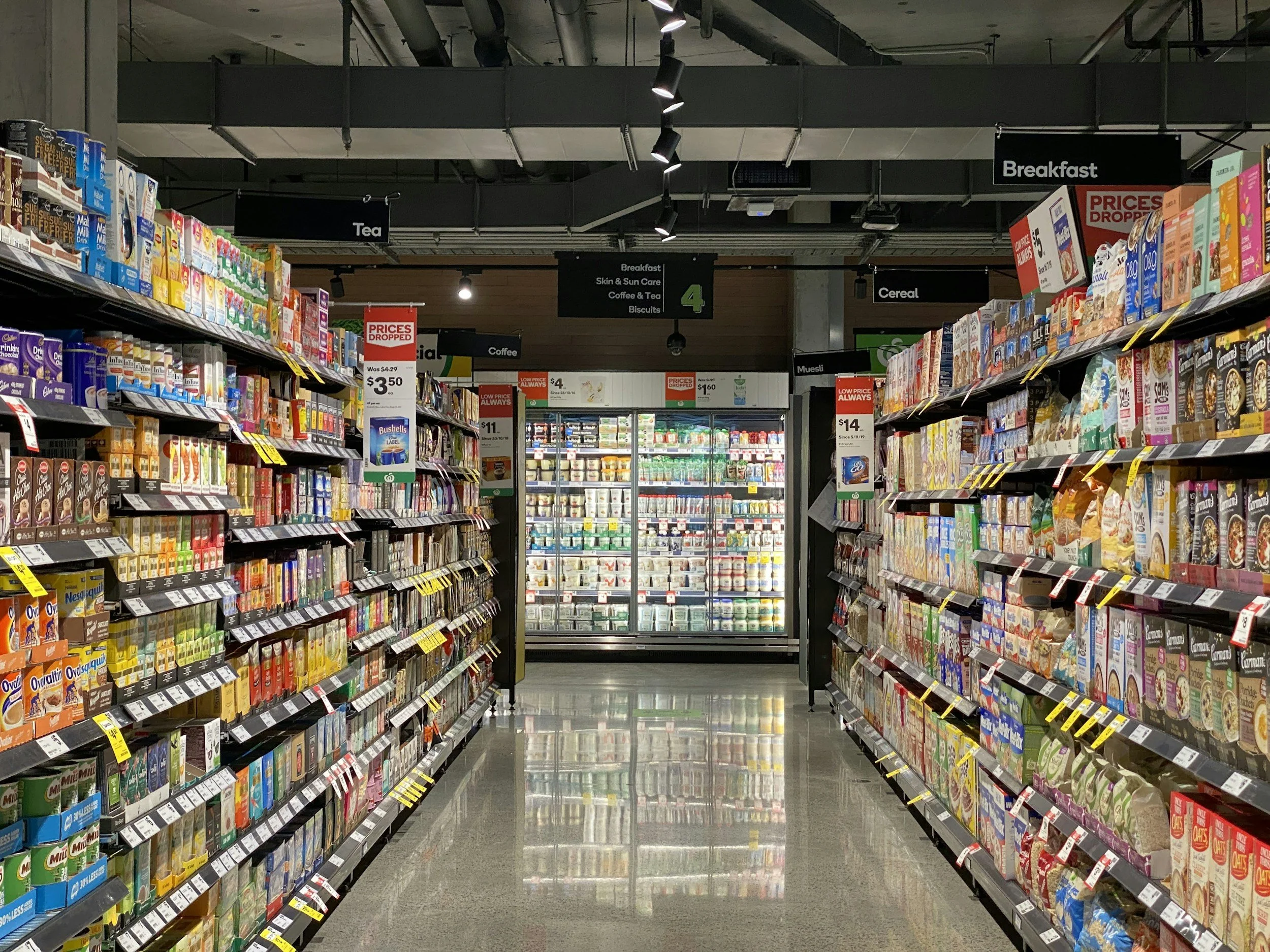
Walk down any aisle at the grocery store or scroll through product listings online, and you'll be bombarded with green labels, sustainability claims, and certification badges. "Organic." "Fair Trade." "Carbon Neutral." "Eco-Friendly." "Natural." The sheer volume of environmental messaging can be overwhelming, and not all of these labels mean what you think they do.
Some certifications represent rigorous third-party testing and meaningful environmental standards. Others are essentially marketing spin with no verification whatsoever. When you're trying to make genuinely sustainable choices, knowing which labels to trust matters, both for the planet and for your budget.
Let's break down the most common eco-labels you'll encounter, understand what they actually verify, and identify which ones deserve your attention.
Quick answer: The most reliable eco-labels are third-party certified with transparent standards and regular audits. Look for USDA Organic (food), OEKO-TEX (textiles), FSC (wood/paper), GREENGUARD (indoor products), and Fair Trade Certified. Be skeptical of vague terms like "natural," "eco-friendly," or "green" without specific certifications, as these are unregulated marketing terms. "Carbon neutral" claims require scrutiny of actual methodology and offsets used.
Understanding the Certification Hierarchy
Not all eco-labels carry the same weight. The difference between third-party certifications and marketing terms determines whether a label means anything at all.
Third-Party Certified (Most Trustworthy) These involve independent organizations that set standards, conduct testing or audits, and verify compliance. They're credible because there's accountability beyond the manufacturer's claims.
What makes them reliable: transparent standards, independent verification, regular audits, consequences for violations, and public accountability.
Industry Self-Regulation (Variable Quality) Labels created and monitored by industry groups. Quality depends on who sets standards, how verification works, and whether enforcement mechanisms exist.
Marketing Terms (Not Reliable) Terms like "natural," "eco-friendly," "green," and "sustainable" have no legal definitions or verification requirements. Any company can use them without proving anything.
Red flags: vague claims without specifics, no certification body mentioned, no way to verify, carefully worded to sound environmental without committing to standards.
Food and Agriculture Certifications
USDA Organic
Verifies: Crops grown without synthetic pesticides, fertilizers, or GMOs. Livestock raised without antibiotics or growth hormones, with access to outdoors and organic feed.
Why it matters: Specific, enforceable standards backed by the USDA National Organic Program. Products must be 95%+ organic to carry the seal. Annual inspections verify compliance.
Limitations: Doesn't automatically mean local, sustainable farming practices, or better working conditions. Large-scale organic can still be resource-intensive.
Look for: Green and white USDA Organic seal. "100% Organic" means all ingredients are organic. "Organic" means 95%+. "Made with organic ingredients" means 70%+.
Fair Trade Certified
Verifies: Products from farms/facilities meeting labor standards (safe conditions, fair wages, no child labor) and environmental criteria. Farmers receive fair prices and community development premiums.
Why it matters: Addresses both environmental and social sustainability. Third-party audited by Fair Trade USA or Fairtrade International.
Common products: Coffee, tea, chocolate, bananas, sugar, cotton
Regenerative Organic Certified (ROC)
Verifies: Highest standard combining organic agriculture, animal welfare, and social fairness. Requires practices that rebuild soil health, sequester carbon, and improve biodiversity.
Why it matters: Represents genuine regenerative agriculture, not just "less harmful" farming. Still relatively new (launched 2018) but emerging as gold standard.
Non-GMO Project Verified
Verifies: Products meet strict limits for GMO content (0.9% threshold). Ongoing testing and verification.
Limitations: Non-GMO doesn't mean organic, pesticide-free, or sustainable. Addresses genetic modification only. Whether GMOs are harmful remains scientifically debated.
Textile and Clothing Certifications
OEKO-TEX Standard 100
Verifies: Textiles tested for harmful substances including formaldehyde, heavy metals, pesticides, and phthalates. Every component tested, including threads, buttons, zippers.
Why it matters: Most comprehensive textile safety certification. Independent lab testing. Particularly important for items worn close to skin or used by children.
Limitations: Focuses on consumer safety, not environmental impact of production or worker conditions.
Classes: Class I (baby products, strictest), Class II (direct skin contact), Class III (no skin contact), Class IV (furnishing).
Global Organic Textile Standard (GOTS)
Verifies: Organic status from fiber harvest through production. Requires 70%+ organic fibers, prohibits toxic chemicals, ensures safe working conditions, mandates wastewater treatment.
Why it matters: Covers entire supply chain. Addresses both environmental and social criteria. Third-party certified.
Gold standard for: Organic cotton, wool, linen, and silk products
Better Cotton Initiative (BCI)
Verifies: Cotton grown using more sustainable practices (reduced pesticides, better water management, soil health).
Reality check: Better than conventional cotton but not as rigorous as GOTS. Doesn't prohibit all pesticides or require organic practices.
Wood and Paper Certifications
Forest Stewardship Council (FSC)
Verifies: Wood and paper from responsibly managed forests. Protects biodiversity, respects indigenous rights, maintains ecological functions, ensures sustainable harvest.
Why it matters: Addresses deforestation. Chain-of-custody certification tracks materials from forest to final product. Third-party audited.
Types: FSC 100% (all from certified forests), FSC Mixed (mix of certified/controlled/recycled), FSC Recycled (100% recycled).
Sustainable Forestry Initiative (SFI)
Why it exists: Widely used in North America. Covers large forest areas.
Controversy: Criticized as less rigorous than FSC. Developed by timber industry, though now independent. Allows clearcutting under certain conditions.
Bottom line: Better than no certification, but FSC generally considered more stringent.
Indoor Product Certifications
GREENGUARD Gold
Verifies: Products tested for low chemical emissions affecting indoor air quality. Strict limits on VOCs and other pollutants.
Why it matters: Indoor air can be more polluted than outdoor air. Important for schools, healthcare facilities, homes with vulnerable individuals.
Common products: Furniture, building materials, flooring, paints, cleaning products, electronics
Standards: GREENGUARD Gold (stricter, for schools/healthcare) and GREENGUARD Certified (standard).
Energy Star
Verifies: Products meet EPA energy efficiency standards, typically 10-50% more efficient than standard models.
Why it matters: Reduces energy consumption, lowers utility bills, decreases emissions. Government-backed with clear, measurable standards.
Limitations: Focuses solely on energy efficiency. Doesn't address manufacturing impacts, materials, or disposal.
Red Flag Labels: Approach with Skepticism
"Carbon Neutral" Claims
The problem: No standardized definition or third-party verification requirement. Companies can claim neutrality through low-quality offsets that don't actually reduce atmospheric carbon.
What to demand: Specific methodology, what's included in calculations, types of offsets used. Prefer companies prioritizing emission reductions over offsets.
"Natural" or "All-Natural"
Legal meaning: Nothing. Completely unregulated for most products.
Reality: Arsenic and mercury are natural. "Natural" doesn't mean safe, sustainable, or environmentally friendly.
Exception: USDA regulates "natural" on meat/poultry to mean no artificial ingredients, minimally processed. Doesn't apply to other products.
"Eco-Friendly," "Green," or "Sustainable"
What they mean: Whatever the company wants. No legal definitions, standards, or verification.
What to do: Look for specific, verifiable claims. "Made from 50% recycled materials" is meaningful. "Eco-friendly" is not.
"Cruelty-Free" and "Not Tested on Animals"
The complexity: Not federally regulated. Different companies use different definitions. Some prohibit final product testing but allow ingredient testing.
Credible certifications: Leaping Bunny (most comprehensive), PETA Beauty Without Bunnies, Choose Cruelty-Free.
Note: "Cruelty-free" doesn't mean vegan. Products can be cruelty-free but contain animal-derived ingredients.
How to Evaluate Unfamiliar Labels
When you encounter a certification you don't recognize, ask:
1. Who sets the standards? Independent third party, industry group, or the company itself?
2. What specifically is verified? Concrete metrics or vague "sustainability"?
3. How is compliance verified? Self-reporting, third-party audits, testing, or inspections?
4. Are standards publicly available? Can you read exactly what's required?
5. What happens if standards are violated? Certification revoked, penalties, or no consequences?
Practical Priorities by Product Category
You can't verify everything. Focus certifications where they matter most:
Food: USDA Organic, Fair Trade Certified, Regenerative Organic Certified
Textiles/Clothing: OEKO-TEX Standard 100, GOTS, Fair Trade Certified
Wood/Paper: FSC (FSC 100% or FSC Mix preferred)
Indoor Products: GREENGUARD Gold (furniture, building materials, flooring)
Electronics/Appliances: Energy Star
Personal Care: USDA Organic (if applicable), EWG Verified, ingredient transparency
Making Sense of the Label Landscape
Certifications serve an important function in an imperfect system. They provide standardized criteria and third-party verification when you can't personally audit every supply chain. But they're not perfect. Certification costs can exclude small producers doing good work. Standards evolve slowly. Some aspects of sustainability may not be captured.
Use certifications as helpful filters, not absolute arbiters. Combine them with other research: company transparency, specific ingredient or material information, and understanding your own priorities.
The most meaningful certifications share common traits:
Third-party verified, not self-awarded
Transparent, publicly available standards
Regular audits or testing
Consequences for non-compliance
Clear scope (what's covered and what isn't)
When you see vague language like "eco-friendly" or "natural" without backing certifications, ask for specifics. Real environmental improvements are measurable and verifiable. Marketing spin is vague and unsubstantiated.
Start by learning a few key certifications relevant to products you buy frequently. As you become familiar with trustworthy labels, evaluating new products becomes faster. You don't need to be an expert on every certification, just knowledgeable about the ones that matter for your purchasing decisions.
The goal isn't perfection. It's making more informed choices when you can, supporting companies doing the work of third-party verification, and maintaining healthy skepticism toward marketing claims that sound too good to be verified.
