
Why Reduce Plastic? 10 Compelling Reasons to Start
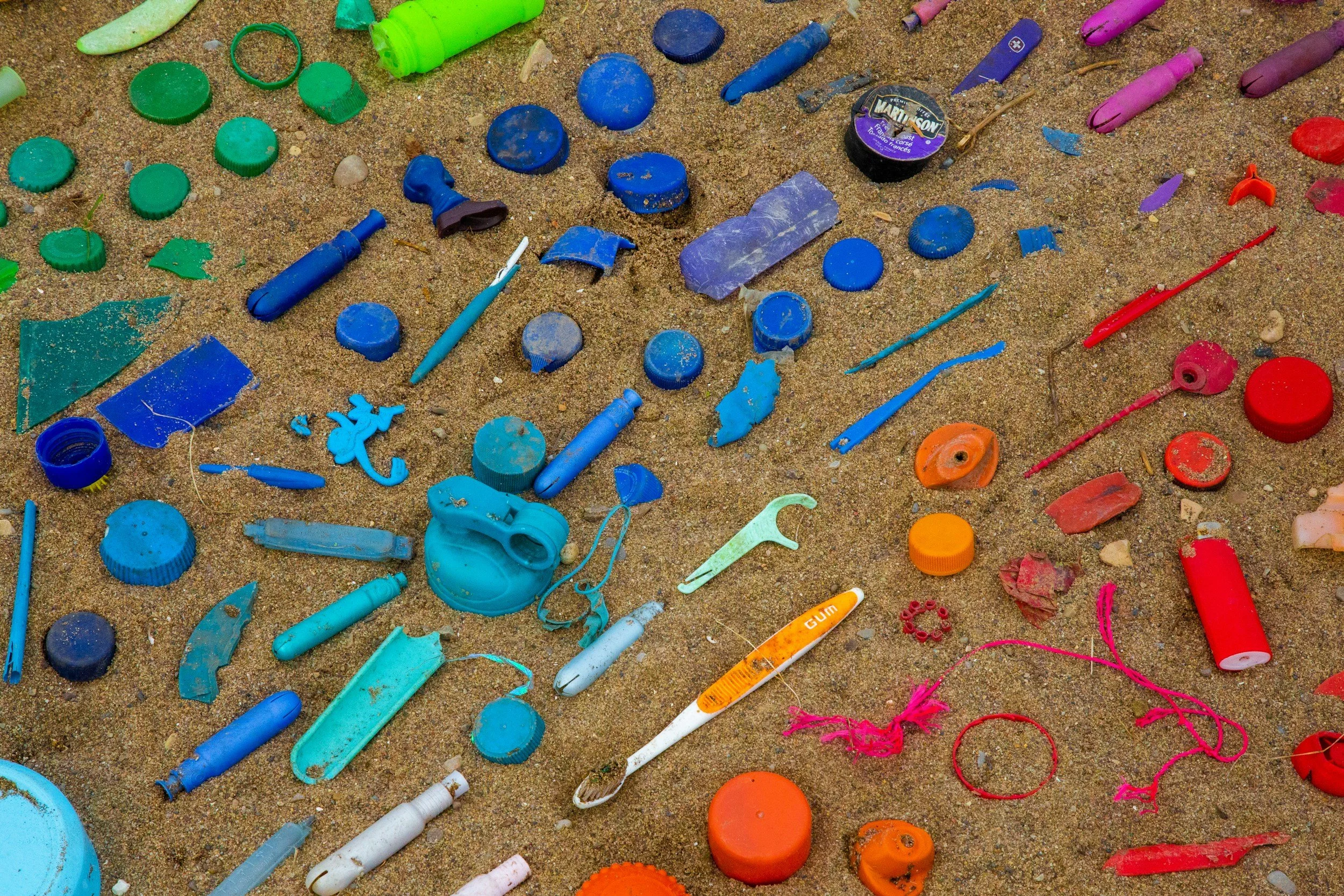
Plastic has become so ubiquitous in modern life that we barely notice it anymore. It's in our kitchens, bathrooms, closets, and offices. It wraps our food, contains our toiletries, and packages nearly everything we buy. But this convenience comes at a staggering cost to our health, environment, and future. Understanding why plastic reduction matters is the first step toward meaningful change. Here are ten compelling reasons to begin reducing your plastic consumption today.
1. Plastic Never Truly Disappears
The plastic bottle you used once will outlive you, your children, and potentially your great-great-grandchildren. Most plastics take 400-1,000 years to decompose, and even then, they don't disappear; they just break into smaller pieces called microplastics.
Every piece of conventional plastic ever created still exists somewhere on Earth. Think about that for a moment. The plastic fork from your childhood birthday party, the bottle from your first sports game, the packaging from toys you've long forgotten: all of it persists. We've created a permanent pollution problem with a temporary-use material.
This permanence means our plastic choices today affect generations we'll never meet. The convenience of single-use plastic pales in comparison to its long-term environmental burden. When you refuse a plastic straw or bring a reusable bag, you're not just making a choice for today; you're preventing pollution that would last for centuries.
2. Ocean Pollution Threatens Marine Life
According to research published in Science, over 8 million tons of plastic enter our oceans every year, equivalent to dumping a garbage truck of plastic into the sea every single minute. This pollution has created visible disaster zones like the Great Pacific Garbage Patch, an area twice the size of Texas composed entirely of floating plastic debris.
Marine animals mistake plastic for food, leading to starvation, internal injuries, and death. Sea turtles eat plastic bags thinking they're jellyfish. Seabirds feed plastic fragments to their chicks. Whales have been found with stomachs full of plastic waste, unable to digest real food. Scientists estimate that by 2050, there will be more plastic than fish in the ocean by weight if current trends continue.
The devastation isn't limited to our favorite sea animals. Plastic pollution disrupts entire marine ecosystems, from tiny plankton to apex predators. Coral reefs become smothered by plastic debris. Filter-feeders consume microplastics that accumulate in their tissues. The ocean, which covers 70% of our planet and produces half our oxygen, is becoming a plastic soup.
3. Microplastics Are in Our Bodies
Microplastics (tiny plastic particles smaller than 5mm) have infiltrated every corner of the planet, including our bodies. Studies have found microplastics in human blood, lungs, placenta, and even breast milk. We're eating, drinking, and breathing plastic daily without realizing it.
Research from the University of Newcastle, Australia suggests that the average person consumes approximately one credit card's worth of plastic every week through food and water. Microplastics are in tap water, bottled water, seafood, salt, honey, beer, and produce. They float through the air we breathe and settle on our dinner plates.
The long-term health effects are still being studied, but early research is alarming. Microplastics can carry toxic chemicals and may cause inflammation, hormonal disruption, and cellular damage. We've essentially turned ourselves into test subjects for a massive, uncontrolled experiment in plastic exposure.
4. Plastic Production Fuels Climate Change
Plastic is made from fossil fuels, such as oil and natural gas. The plastic industry is one of the fastest-growing sources of greenhouse gas emissions globally. By 2050, plastic production and disposal could account for 13% of the Earth's total carbon budget, rivaling emissions from all global transport.
The lifecycle emissions are staggering. Extracting and refining fossil fuels releases greenhouse gases. Manufacturing plastic is energy-intensive and polluting. Transportation adds more emissions. And when plastic is incinerated, it releases carbon dioxide and toxic pollutants directly into the atmosphere.
As we work to transition away from fossil fuels for energy, the plastic industry is positioning itself as the next major market for oil and gas. Reducing plastic consumption directly reduces fossil fuel demand, supporting climate action and cleaner energy transitions.
5. Toxic Chemicals Leach from Plastic
Plastics contain thousands of chemical additives, including plasticizers, flame retardants, stabilizers, and pigments, many of which are known to be harmful. These chemicals can leach into food, drinks, and the environment, especially when plastic is heated, scratched, or exposed to sunlight.
Bisphenol A (BPA) and phthalates are among the most studied plastic chemicals. Both are endocrine disruptors (chemicals that interfere with hormone systems) that mimic hormones in the body, potentially affecting reproduction, development, and metabolism. While some products now advertise "BPA-free," they often use equally problematic substitute chemicals.
Children are particularly vulnerable to these exposures. Studies link plastic chemicals to developmental delays, behavioral issues, and early puberty. Pregnant women's exposure can affect fetal development. Even low-level chronic exposure may contribute to obesity, diabetes, and certain cancers.
Using glass, stainless steel, and other non-plastic alternatives for food storage and consumption reduces your exposure to these chemicals, protecting your health and your family's wellbeing.
6. Recycling Isn't the Solution
We've been told that recycling solves the plastic problem, but this is largely a myth. According to OECD data, only about 9% of all plastic ever created has been recycled. The rest is either in landfills, incinerated, or polluting the environment.
Most plastics can only be recycled once or twice before the quality degrades too much for reuse. This "downcycling" means plastic bottles become plastic lumber, which then becomes landfill waste. Unlike glass or metal, which can be infinitely recycled without quality loss, plastic has a built-in obsolescence.
Furthermore, much of the plastic we carefully sort for recycling is actually shipped to developing countries, where it often ends up in open dumps or waterways. The recycling system was never designed to handle the volume of plastic we produce. It's a band-aid on a wound that requires surgery.
The real solution isn't better recycling; it's reducing plastic production and consumption from the start. Refusing single-use plastics prevents pollution far more effectively than recycling attempts to manage it.
7. Plastic Pollution Disproportionately Harms Vulnerable Communities
Environmental justice is intrinsically linked to plastic pollution. Plastic production facilities are disproportionately located near low-income communities and communities of color, exposing residents to toxic air pollution and health risks.
When wealthy nations export plastic waste, it typically ends up in developing countries with less robust waste management infrastructure. Communities near these disposal sites experience contaminated water, air pollution, and health problems while bearing the burden of waste they didn't create.
Even the impacts of ocean plastic pollution affect vulnerable populations most severely. Coastal communities that depend on fishing for food and livelihood suffer when fish stocks decline and seafood becomes contaminated. Reducing plastic consumption is an act of solidarity with communities bearing the greatest burden of our plastic addiction.
8. Wildlife Beyond the Ocean Suffers
While ocean pollution gets significant attention, terrestrial wildlife also suffers from plastic pollution. Birds build nests with plastic debris. Land animals become entangled in plastic waste or mistake it for food. Plastic pollution has been documented in the most remote places on Earth, from mountain peaks to Arctic ice.
Microplastics now contaminate soil worldwide, potentially affecting plant growth and soil health. Animals that feed on the ground ingest these particles. As microplastics move through food chains, they bioaccumulate, becoming more concentrated in predators at the top.
Even your pets aren't immune. Plastic toys break down, releasing harmful chemicals. Synthetic fabrics shed microplastics that end up in dust and pet food. The plastic problem touches every living being on the planet.
9. Reducing Plastic Saves Money
While sustainable alternatives sometimes cost more upfront, reducing plastic consumption typically saves money long-term. Reusable water bottles eliminate the need for expensive bottled water. Bringing your own bags, containers, and coffee cups often comes with discounts.
You avoid the hidden costs of single-use convenience. Those "cheap" plastic items add up quickly when you buy them repeatedly. A $15 reusable water bottle that lasts years costs far less than buying disposable bottles regularly.
Reducing plastic often means buying less overall: fewer packaged products, less impulse purchasing, more intentional consumption. This simplified approach to living typically reduces expenses while decluttering your life and reducing waste simultaneously.
10. Your Choices Inspire Others
Individual action matters not just for the plastic you personally avoid, but for the ripples you create in your community. When you bring reusable bags to the grocery store, carry a water bottle, or refuse single-use plastics, you normalize these behaviors for everyone watching.
People notice and often ask questions, opening conversations about sustainability. Your choices might inspire family members, friends, or even strangers to reconsider their plastic habits. Collective individual action creates the social pressure that drives systemic change.
Moreover, consumer choices influence corporate behavior. When enough people refuse plastic packaging, companies respond. Many businesses now offer plastic-free options specifically because customers demanded them. Your purchasing decisions are votes for the kind of world you want to create.
Taking Action Today
Understanding why plastic reduction matters is the foundation for meaningful change. You don't need to eliminate all plastic overnight; perfection isn't the goal. Start with simple swaps: reusable shopping bags, a stainless steel water bottle, glass food containers, and cloth produce bags.
Choose products with minimal or plastic-free packaging when possible. Buy in bulk to reduce packaging waste. Make some household products at home instead of buying plastic-bottled versions. Support businesses committed to reducing plastic use.
Every piece of plastic you refuse is one less item polluting the environment, threatening wildlife, leaching chemicals, or burdening future generations. Your choices matter more than you might think. The journey toward plastic-free living begins with a single decision to do better, and that decision can happen right now.
The plastic problem is enormous, but it's also solvable. It requires awareness, intention, and action from individuals, businesses, and governments. By understanding these reasons to reduce plastic, you're equipped to make informed choices and inspire others to join the movement toward a cleaner, healthier, more sustainable world.
