
Shade-Grown Coffee: Why Growing Methods Matter for Birds and Biodiversity
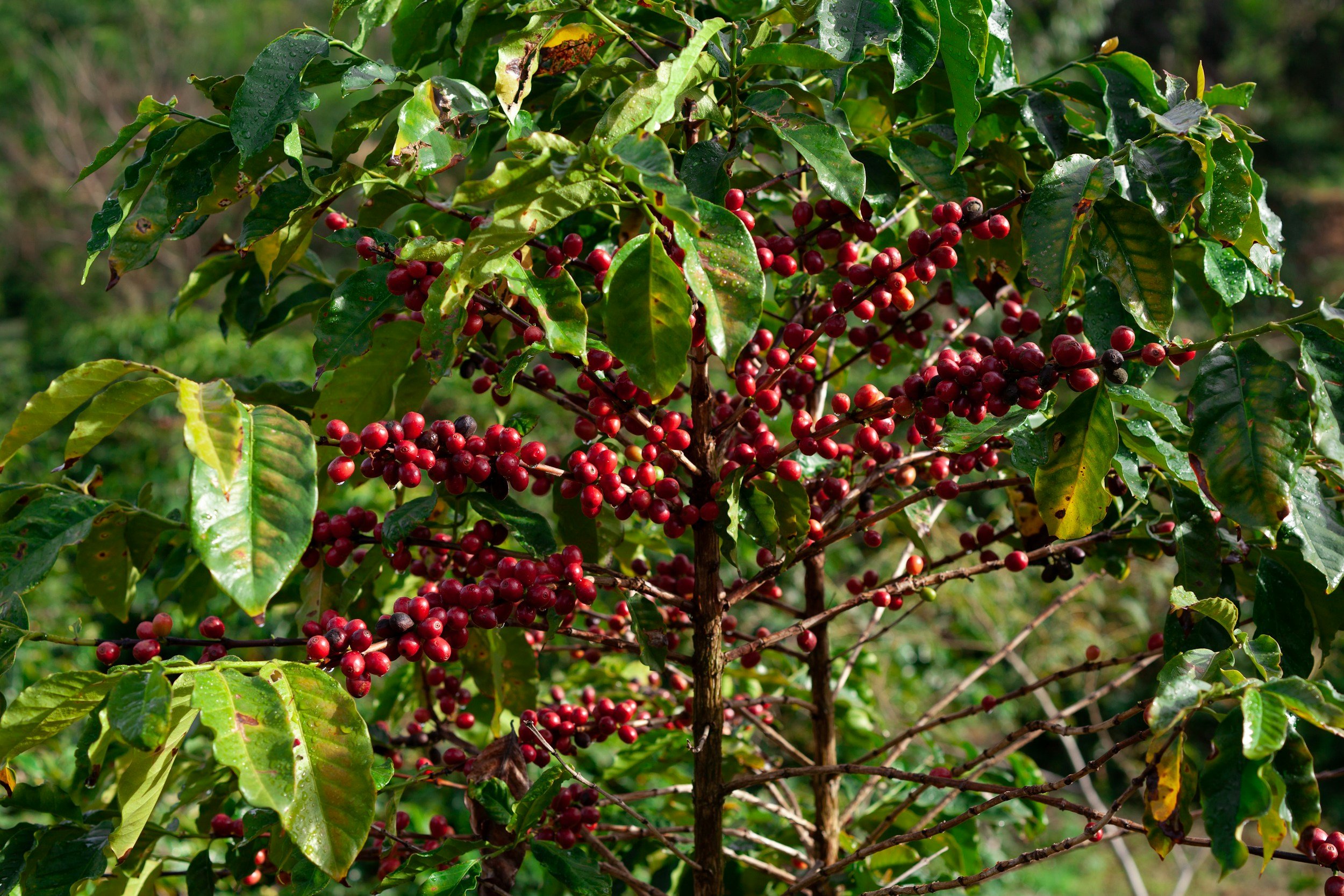
Americans drink roughly 400 million cups of coffee per day, making it the most popular beverage in the country after water. The way that coffee is grown has profound implications for biodiversity, migratory birds, and forest ecosystems that most coffee drinkers never consider. Understanding what shade-grown coffee actually means, and how to identify it reliably, is one of the more straightforward ways to align a daily habit with environmental values.
What "Shade-Grown" Actually Means
Traditional coffee farming, practiced for centuries across Latin America, Africa, and Asia, grew coffee plants under the canopy of native forest trees. Coffee evolved in the forests of Ethiopia, where dappled sunlight, rich soil, and diverse vegetation created its natural growing conditions. Shade-grown farming maintains this structure: coffee plants grow beneath a canopy of native trees in a multi-layered agricultural system that mimics natural forest. Those shade trees might include nitrogen-fixing legumes, fruit trees, hardwoods, or native species that provide additional crops while protecting the coffee below.
Modern sun coffee works differently. It involves clearing forest and growing coffee in full sun, typically in dense monoculture plantations using sun-tolerant varieties developed in the 1970s that produce higher yields per acre. The trade-off was immediate and measurable: higher short-term productivity in exchange for habitat destruction, increased chemical dependence, and soil degradation. Sun-grown coffee now dominates global production. According to the Smithsonian Migratory Bird Center, coffee farms have replaced more than 2.5 million acres of forest in Central America alone.
Why It Matters
When coffee grows under native tree canopy, the environmental benefits extend well beyond preserving a few trees. Studies have documented hundreds of bird species, dozens of mammal species, and diverse plant communities in shade coffee systems. Research published in Ecological Applications found that shade coffee farms in Latin America provide winter habitat for more than 90% of migratory bird species that spend summers in North America. In regions where natural forest has been extensively cleared, shade coffee farms represent some of the only remaining habitat for those species. They function, in effect, as forest preserves that happen to produce coffee.
Soil health follows from the same structure. Shade trees protect soil from erosion by stabilizing slopes and intercepting rainfall, allowing water to percolate slowly rather than running off in erosive sheets. Fallen leaves build organic matter that enriches soil and reduces fertilizer needs. The biodiversity of shade systems also creates natural pest control: birds eat insects that damage coffee plants, and predatory insects consume pest species, reducing the need for pesticide applications.
The carbon picture is significant as well. Shade coffee systems sequester an estimated 50 to 100 tons of carbon per hectare, compared to less than 10 tons for sun coffee plantations, according to research from the Center for International Forestry Research. The shade trees store carbon directly, while complex root systems and rich soil organic matter create additional carbon sinks.
Shade-Grown vs. Organic: An Important Distinction
This is where many coffee buyers get confused, and it's worth being precise. Shade-grown and organic are not the same thing, and a coffee can be one without being the other.
USDA Organic certification addresses chemical inputs: no synthetic pesticides, herbicides, or fertilizers. It doesn't require shade trees, biodiversity protection, or any specific farming method. Organic coffee can be grown in full-sun monocultures as long as it avoids synthetic inputs. You can have ecologically destructive organic farming if the only criterion is what's excluded from the soil.
Shade-grown certification, when rigorous, establishes structural requirements for the farm itself: minimum canopy cover, minimum canopy height, a required number of native tree species, and multiple canopy layers that create genuine forest structure. The most stringent standard is Bird Friendly certification from the Smithsonian Migratory Bird Center, which requires 40% or more canopy cover, a canopy height of at least 12 meters, a minimum of 10 native tree species, and also requires organic practices. This makes Bird Friendly the most comprehensive standard available, addressing both farming method and chemical inputs simultaneously. Less than 1% of the world's coffee meets it.
If you're choosing between organic sun coffee and conventional shade coffee, the environmental calculus isn't simple. Organic certification prevents chemical contamination of soil and reduces exposure for farm workers, but doesn't protect habitat. Shade-grown protects biodiversity but may involve some chemical use. For consumers who can only optimize for one variable, shade-grown provides broader ecological benefit in terms of species supported and habitat preserved, but the ideal is coffee that meets both criteria.
What Certifications Actually Tell You
"Shade-grown" on a label without third-party certification means very little. It could represent genuine forest farming or minimal shade providing minimal benefit. Understanding what different certifications verify helps you evaluate what you're actually buying.
Bird Friendly certification from the Smithsonian is the most rigorous standard and the one to prioritize if genuine habitat protection is your goal. Rainforest Alliance certification addresses multiple sustainability factors including some shade requirements, though they're less stringent than Bird Friendly: lower canopy cover is acceptable, and requirements for native species are more flexible. It also considers water conservation, wildlife protection, and worker welfare. Fair Trade certification focuses primarily on fair pricing and labor standards for farmers and doesn't specifically require shade-grown practices, though many Fair Trade farms do use shade systems. USDA Organic, as described above, addresses inputs only. A bag labeled "shade-grown" without any of these certifications should be approached with skepticism unless you can research the specific roaster's sourcing practices directly.
Does Shade-Grown Coffee Taste Better?
Many specialty roasters argue that shade-grown coffee produces more complex flavor, and the reasoning is grounded in how the plant develops. Coffee grown slowly in shade matures more gradually than coffee rushed to full sun, allowing sugars and oils to develop more fully. Cupping scores, the professional tasting evaluations that rate quality on a 100-point scale, often favor shade-grown beans, particularly from high-altitude farms.
The honest answer is that shade alone doesn't guarantee quality. Processing, roasting, and freshness all matter enormously, and you'll find excellent sun-grown coffee and mediocre shade-grown coffee. The correlation between shade-grown and quality exists partly because shade-grown farms are more likely to be small-scale operations where individual batch quality receives more attention. Choose shade-grown for environmental reasons. The taste benefits are real but not universal.
What to Expect on Price
Bird Friendly certified coffee typically runs $12 to $20 per pound versus $8 to $12 for conventional, reflecting lower yields per acre, more labor-intensive harvesting under tree canopy, and certification costs. Per cup brewed at home, that difference is roughly $0.25 to $0.50. If Bird Friendly is outside your budget, Rainforest Alliance certified coffee offers a middle ground. Some smaller roasters source shade-grown coffee without formal certification at lower prices; researching their sourcing practices directly can identify genuinely beneficial options. Buying shade-grown occasionally and mixing with conventional is meaningfully better than never buying it, and buying whole beans and grinding at home stretches per-cup value further regardless of which coffee you choose.
The Bigger Picture
Your individual coffee purchases won't single-handedly prevent deforestation or reverse migratory bird population declines. These are systemic issues requiring policy changes, international cooperation, and shifts in agricultural economics. But consumer demand for shade-grown coffee does influence what's financially viable for farmers. When more buyers seek it out, shade farming becomes more economically sustainable for more growers, which creates actual habitat that birds and other species can use.
The birds that winter in Central American coffee farms spend their summers in North America. Supporting their winter habitat means supporting the same species you might see in your own backyard. That connection between a morning cup, a farmer in Guatemala, and birds migrating overhead is the kind of practical environmentalism that makes conservation tangible without overstating what any single purchase can accomplish.
