
How to Shop Secondhand Like a Pro
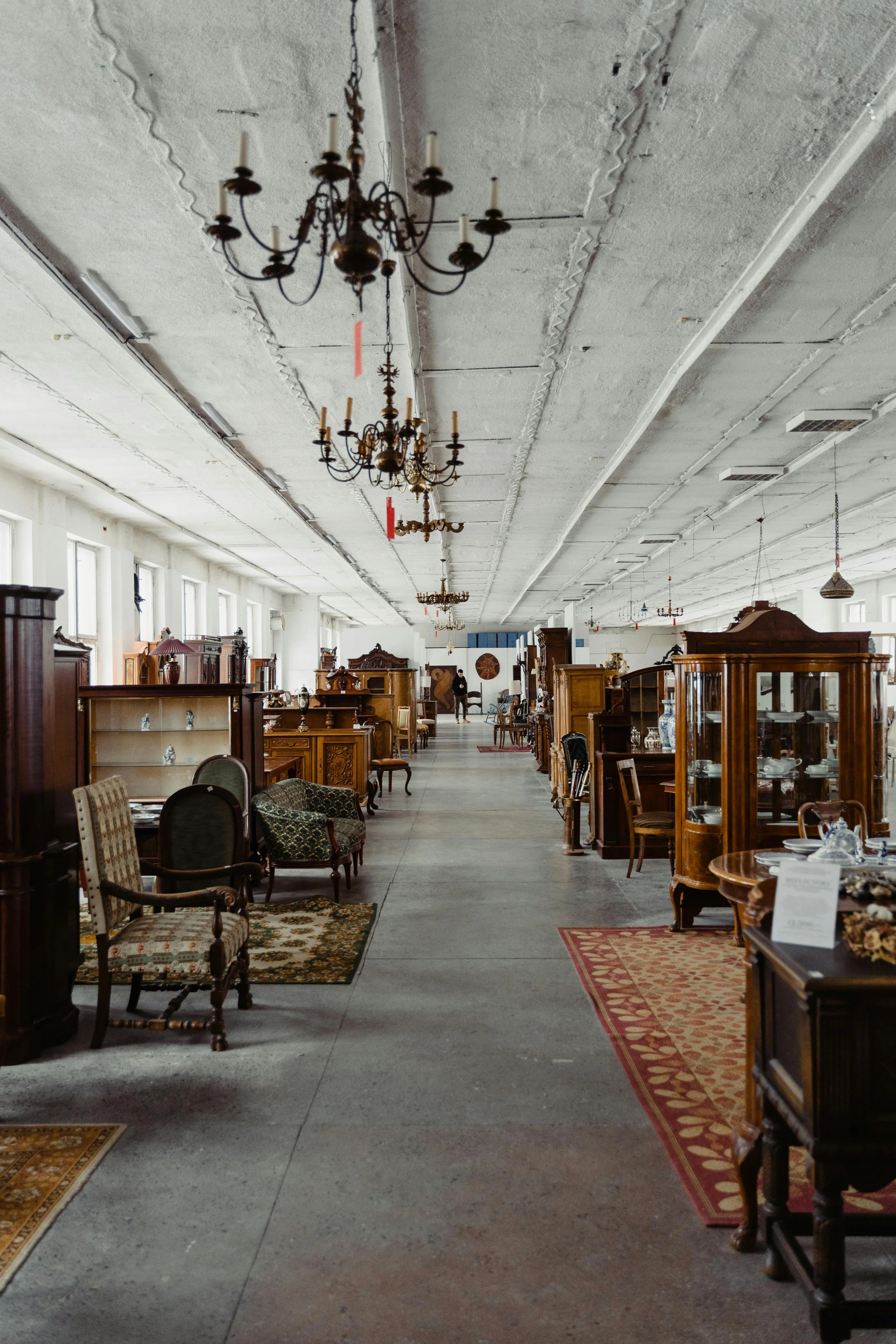
Secondhand shopping has evolved from a budget-conscious necessity to a sophisticated, environmentally responsible lifestyle choice. Whether you're hunting for vintage treasures, designer steals, or everyday essentials, learning to shop secondhand like a pro can transform your wardrobe, home, and environmental impact. This comprehensive guide will equip you with expert strategies to find quality items while supporting a circular economy.
Why Shop Secondhand?
Environmental Impact: The fashion industry is responsible for about 10% of global carbon emissions and is the second-largest consumer of water worldwide, according to the UN Environment Programme. Buying secondhand extends the lifecycle of products, reduces demand for new manufacturing, and keeps items out of landfills. A single secondhand purchase can save thousands of gallons of water and significantly reduce carbon emissions compared to buying new.
Financial Savings: Quality secondhand items often cost 50-90% less than retail prices. You can afford higher-quality brands and materials that would be out of reach at full price, building a better wardrobe or home for less.
Unique Style: Secondhand shopping offers one-of-a-kind pieces you won't find in every store. Vintage items, discontinued designs, and curated finds help you develop a distinctive personal style that stands out from fast fashion uniformity.
Quality Over Quantity: Older items were often made with superior craftsmanship and materials. That vintage wool coat or solid wood dresser likely outlasts modern equivalents, making secondhand shopping an investment in durability.
Where to Shop Secondhand
Thrift Stores like Goodwill and Salvation Army offer the most affordable options with constantly rotating inventory. Visit regularly, as new items arrive daily. Wealthier neighborhoods typically have thrift stores with higher-end donations.
Consignment Shops curate their inventory more carefully, accepting only quality items in good condition. Prices are higher than thrift stores but lower than retail, and the selection is more refined.
Vintage Boutiques specialize in clothing and items from specific eras, offering expertly curated collections. Expect to pay premium prices for authenticated vintage pieces and knowledgeable service.
Online Marketplaces like Poshmark, Depop, ThredUp, and The RealReal bring secondhand shopping to your fingertips. You can search by size, brand, and style, though you sacrifice the tactile experience of in-person shopping.
Estate Sales and Garage Sales offer incredible deals on everything from furniture to kitchenware. Early birds get the best selection, and prices are often negotiable, especially near closing time.
Facebook Marketplace and Craigslist connect you with local sellers offering furniture, decor, and household items. Always meet in public places for safety and inspect items carefully before purchasing.
Before You Shop: Preparation is Key
Know Your Measurements: Vintage and secondhand sizing varies wildly from modern standards. Carry a tape measure and know your bust, waist, hip, inseam, and shoulder measurements. For furniture, measure your space and doorways before shopping.
Create a Wish List: Define what you're looking for before you shop. Having specific needs, like "black ankle boots" or "mid-century nightstand," helps you stay focused and avoid impulse purchases you won't use.
Research Brands and Quality Markers: Learn to identify quality materials and construction. Familiarize yourself with luxury brands worth seeking out and understand how to spot authentic designer items versus knockoffs.
Set a Budget: Secondhand doesn't always mean cheap, and it's easy to overbuy when prices seem low. Decide how much you'll spend before entering a store or browsing online.
Dress Appropriately: Wear fitted clothing and slip-on shoes for easy try-ons. Many thrift stores have limited or no fitting rooms, so layers you can remove help you try things on quickly.
Shopping Strategies That Work
Go Often: The best secondhand finds go to regular shoppers who know when new inventory hits the floor. Visit your favorite spots weekly to catch fresh arrivals before others do.
Shop Off-Season: Buy winter coats in summer and swimsuits in fall when demand is low and prices drop. You'll have the best selection for next year while everyone else scrambles later.
Look Beyond Your Section: Men often find excellent women's blazers, and vice versa. Oversized vintage tees from the men's section make perfect casual wear. Don't limit yourself by department.
Check Everything Thoroughly: Examine items for stains, tears, missing buttons, broken zippers, and odors. Check furniture for structural integrity, scratches, and pest damage. Most secondhand sales are final, so inspect carefully.
Try Everything On: Sizes lie, especially in vintage and secondhand items. That "medium" could fit like a small or large depending on the era and brand. Never assume it will fit without trying it.
Think About Alterations: A too-long hem or slightly large waist is easily fixed by a tailor. If the shoulders fit and the fabric is quality, minor alterations can transform a good find into a perfect one.
Look for Natural Fibers: Prioritize wool, silk, cotton, and linen over polyester and acrylic. Natural materials last longer, look better with age, and are more sustainable. Check fabric content labels carefully.
Online Secondhand Shopping Tips
Use Specific Search Terms: Instead of "dress," try "silk midi dress" or "1990s slip dress." Detailed searches filter out irrelevant results and help you find exactly what you want.
Check Seller Ratings and Reviews: Reputable sellers have positive feedback and detailed return policies. Read reviews before purchasing, especially for expensive items.
Ask Questions: Don't hesitate to message sellers about measurements, condition details, or additional photos. Good sellers respond promptly and thoroughly.
Understand Return Policies: Many online secondhand platforms have limited or no returns. Know the policy before buying, and consider whether you're willing to accept that risk.
Compare Prices: Search the same item across multiple platforms. One seller's treasure might be overpriced compared to similar items elsewhere.
Watch for Authenticity: Learn to spot fake designer items through stitching quality, logo placement, hardware, and serial numbers. When in doubt, use authentication services offered by platforms like The RealReal and Vestiaire Collective.
What to Buy (and Skip) Secondhand
Best Secondhand Purchases:
High-quality outerwear and leather goods
Solid wood furniture and vintage decor
Designer handbags and accessories
Books, vinyl records, and artwork
Kitchen equipment like cast iron and vintage glassware
Children's clothing and toys (they outgrow everything quickly)
Generally Skip:
Underwear and swimwear for hygiene reasons
Mattresses and upholstered furniture (risk of bed bugs)
Helmets and car seats (safety equipment expires)
Shoes with worn-down soles (unless you'll resole them)
Electronics without testing them first
Caring for Secondhand Finds
Clean Everything: Wash clothing according to care labels before wearing. Wipe down furniture and decor with appropriate cleaners. Air out items that smell musty. Sunlight and fresh air work wonders.
Make Minor Repairs: Replace missing buttons, fix loose hems, and tighten furniture screws. Small fixes extend the life of your secondhand treasures and make them look new.
Restore When Worth It: Sometimes secondhand items need more extensive work. Consider whether reupholstering that vintage chair or refinishing that dresser is worth the investment based on the item's quality and your budget.
Building a Sustainable Secondhand Habit
Start Small: If secondhand shopping is new to you, begin with accessories or home decor before committing to a full wardrobe overhaul. Build confidence with lower-stakes purchases.
Mix Secondhand with New: You don't have to buy everything secondhand. Combine thrifted statement pieces with new basics for a balanced, sustainable wardrobe.
Sell What You Don't Use: Complete the circular economy by selling or donating items you no longer need. Your castoffs become someone else's treasures.
Share Your Finds: Connect with other secondhand shoppers through social media or local groups. Trading tips, favorite locations, and styling ideas makes the experience more rewarding.
Be Patient: Unlike retail shopping where you can buy exactly what you want immediately, secondhand shopping requires patience. The perfect item might take weeks or months to find, but the hunt is part of the joy.
The Bigger Picture
Shopping secondhand is more than a personal choice; it's a vote for a more sustainable future. Every secondhand purchase challenges the wasteful cycle of fast fashion and disposable goods. You're not just finding great deals; you're participating in a growing movement toward conscious consumption and environmental responsibility.
The skills you develop as a secondhand shopper—patience, quality assessment, creativity, and resourcefulness—translate into all areas of life. You learn to value craftsmanship, appreciate uniqueness, and think critically about consumption. These are the foundations of sustainable living.
Your secondhand shopping journey starts with a single visit to a thrift store or a quick browse through an online marketplace. As you develop your eye for quality and your sense of personal style, you'll wonder why you ever paid full price for mass-produced items. The thrill of the find, the satisfaction of the deal, and the knowledge that you're making a positive environmental impact make secondhand shopping an endlessly rewarding practice.
Ready to start shopping secondhand like a pro? Grab your measurements, make your list, and discover the sustainable, stylish, budget-friendly world of secondhand treasures waiting for you.
