
Growing Your Own Herbs for Fresh, Sustainable Flavor
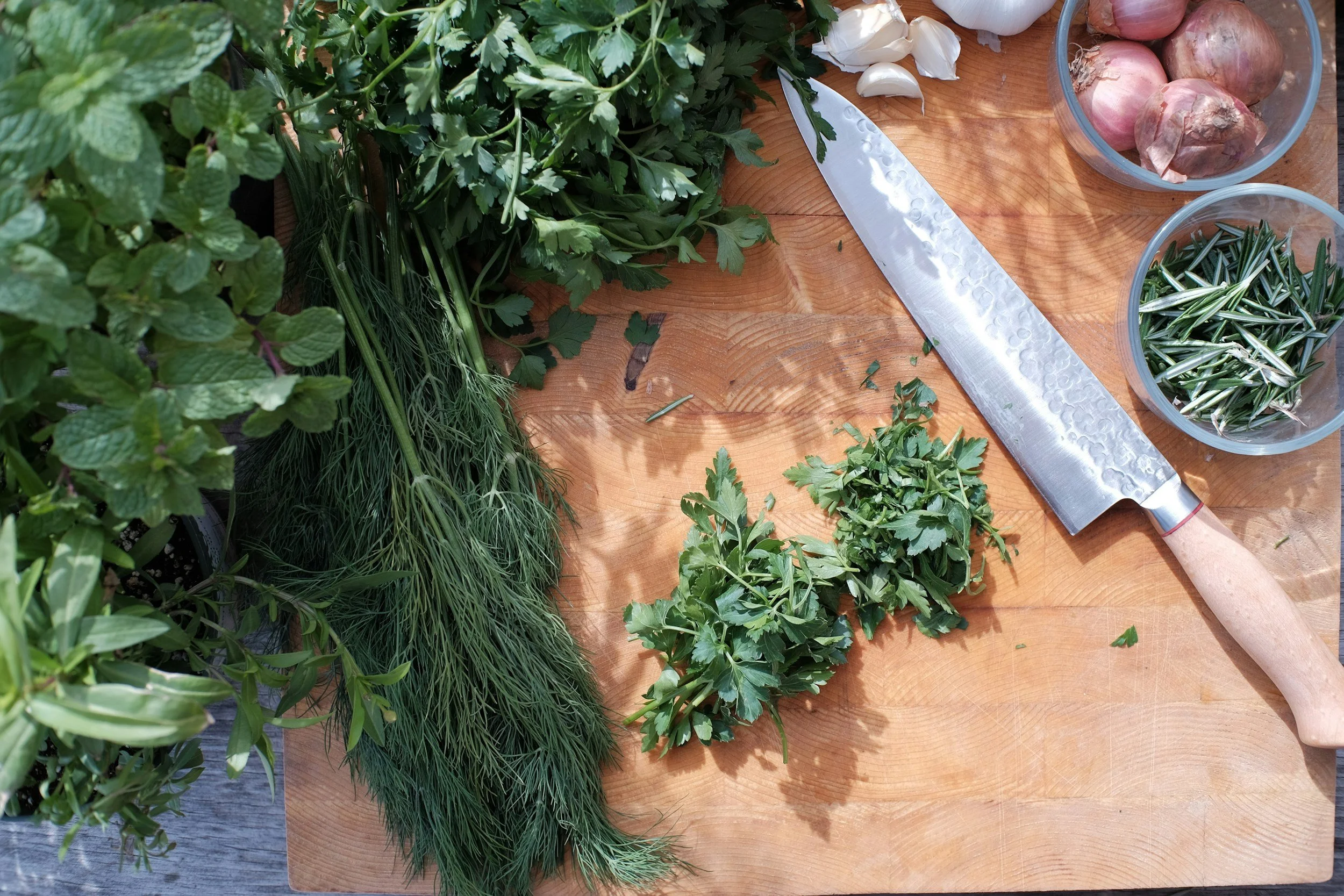
Growing your own herbs is one of the most rewarding steps you can take toward sustainable living. Not only does it reduce your carbon footprint by eliminating packaging and transportation, but it also gives you access to fresh, organic flavors right at your fingertips. Whether you have a sprawling garden or just a sunny windowsill, this beginner's guide will help you start your herb-growing journey with confidence.
Why Grow Your Own Herbs?
Environmental Benefits: Home-grown herbs eliminate plastic packaging, reduce food miles, and give you complete control over pesticide use. A small herb garden can significantly decrease your reliance on store-bought herbs that often come wrapped in single-use plastics.
Health and Wellness: Fresh herbs contain higher levels of essential oils and nutrients compared to their store-bought counterparts, which often lose flavor and nutritional value during transport and storage. You'll know exactly what's gone into growing your food, no mystery chemicals or preservatives.
Economic Savings: A single basil plant can produce dozens of harvests throughout the season, paying for itself many times over. Those plastic clamshells of herbs add up quickly.
Best Herbs for Beginners
Starting with easy-to-grow herbs sets you up for success. These five herbs are virtually foolproof:
Basil grows quickly, loves warmth, and thrives in containers or garden beds. Sweet basil is perfect for Italian dishes, while Thai basil adds an anise-like flavor to Asian cuisine.
Mint is incredibly hardy and ideal for teas, cold drinks, and desserts. Grow mint in pots to control its spread, as it can take over a garden.
Parsley is nutrient-dense and tolerates partial shade, making it ideal for less-than-perfect growing conditions. Both flat-leaf and curly varieties are easy to grow.
Chives are nearly indestructible perennials that return year after year. They're one of the first herbs to emerge in spring, providing fresh flavor when little else is growing.
Rosemary is a woody perennial that thrives on neglect. It prefers drier soil and full sun, making it perfect for forgetful waterers.
Essential Growing Conditions
Light Requirements: Most culinary herbs need 6-8 hours of direct sunlight daily. South-facing windows work best for indoor growing. If natural light is limited, consider full-spectrum grow lights.
Soil and Drainage: Herbs prefer well-draining soil to prevent root rot. Use a quality potting mix amended with perlite or sand for containers. Garden beds should be raised or amended if your soil is heavy clay.
Watering Wisdom: The biggest mistake beginners make is overwatering. Most herbs prefer soil that dries out slightly between waterings. Stick your finger into the soil; if the top inch is dry, it's time to water.
Temperature Considerations: Tender herbs like basil thrive in warmth (above 50°F or 10°C), while hardy herbs like parsley and chives can tolerate cooler temperatures and even light frost.
Indoor vs. Outdoor Growing
Indoor Herb Gardens are perfect for year-round harvests and apartment dwellers. Place herbs on a sunny windowsill, preferably facing south or west. Rotate pots weekly so all sides receive equal light. Indoor herbs benefit from occasional outdoor time during warm weather.
Outdoor Herb Gardens can be planted in the ground, raised beds, or containers. Outdoor plants typically grow larger and more robust than their indoor counterparts. Consider planting herbs near your kitchen door for easy access.
Container Gardening: Use pots with drainage holes at least 6-8 inches deep. Terra cotta pots dry out faster than plastic, which can be beneficial for herbs that prefer drier conditions.
Getting Started: Seeds vs. Transplants
Starting from Seed is economical but requires patience. Basil, cilantro, and dill grow easily from seed. Start indoors 6-8 weeks before your last frost date, keeping soil consistently moist until germination.
Starting from Transplants gives you a head start. Buy young plants from a nursery, looking for vibrant color and no signs of pests. Gently loosen root-bound plants before transplanting.
Propagation from Cuttings: Many herbs, including basil, mint, and rosemary, can be propagated from cuttings. Snip 4-6 inch stems, remove lower leaves, and place in water until roots develop. This is a free way to expand your collection.
Care and Maintenance
Fertilizing: Herbs are light feeders. Use a balanced, organic fertilizer diluted to half-strength every 4-6 weeks during the growing season. Over-fertilizing can reduce the essential oils that give herbs their flavor.
Harvesting: Regular harvesting encourages bushier growth and prevents flowering, which can make leaves bitter. Always harvest from the top, cutting just above a leaf node. Never remove more than one-third of the plant at once.
Pest Management: Common pests include aphids, spider mites, and whiteflies. Spray plants with water to dislodge pests, or use insecticidal soap for heavier infestations. Neem oil is an effective organic option.
Seasonal Care
Spring and Summer: This is peak growing season. Harvest regularly, maintain consistent watering, and watch for pests. Succession plant fast-growing herbs like cilantro every few weeks for continuous harvests.
Fall and Winter: Bring tender herbs indoors before the first frost. Hardy perennials like rosemary and thyme can stay outside with protection in moderate climates. Indoor herbs may grow more slowly due to reduced light. Cut back on watering and fertilizing accordingly.
Preserving Your Harvest
When your herbs are producing abundantly, preserve the excess:
Drying: Hang bundles upside down in a warm, dry place with good air circulation. Once crispy, strip leaves and store in airtight containers.
Freezing: Chop herbs and freeze in ice cube trays with olive oil or water. Pop out cubes as needed for cooking.
Herb Butter: Mix chopped herbs into softened butter, roll into a log, and freeze. Slice off portions for instant flavor.
Pesto: Blend leafy herbs like basil with olive oil, nuts, and parmesan. Freeze in portions for quick meals.
Common Beginner Mistakes to Avoid
Overwatering is the number one killer of herbs. Let soil dry between waterings and ensure proper drainage.
Insufficient Light causes leggy, weak plants. If herbs stretch toward the light source, they need more sun or supplemental lighting.
Wrong Pot Size: Too-small containers restrict root growth and require constant watering. Start with adequately sized pots.
Forgetting to Harvest: Regular harvesting keeps plants productive. Don't wait for a special occasion, use your herbs daily to encourage continued growth.
Creating Your Herb Garden Design
Thoughtful placement makes your herb garden both functional and beautiful:
Kitchen Herb Garden: Plant the herbs you use most frequently closest to your kitchen. A windowsill collection with basil, parsley, and chives puts fresh flavor within arm's reach.
Theme Gardens: Create a tea garden with mint, lemon balm, and chamomile, or a Mediterranean garden with basil, oregano, and thyme.
Vertical Gardens: Maximize small spaces with wall-mounted planters or tiered stands. This approach works beautifully on balconies or patios.
Companion Planting: Pair herbs with vegetables for mutual benefits. Basil repels pests from tomatoes, while dill attracts beneficial insects to your garden.
Start Your Herb Garden Today
Beginning your herb-growing journey doesn't require a major investment or extensive gardening knowledge. Start with just two or three herbs you use regularly in cooking. Set them in a sunny spot, water when the soil is dry, and harvest often. As you gain confidence, expand your collection to include more varieties.
Growing your own herbs connects you to your food in a meaningful way while reducing waste and supporting your health. Each time you snip fresh leaves for a meal, you're participating in a sustainable practice that brings both flavor and joy. The taste of sun-warmed basil or the fragrance of freshly cut rosemary offers satisfaction that no store-bought package can match.
Your herb garden is waiting to grow. All it needs is your willingness to begin. Start today, and within weeks, you'll be harvesting your own sustainable, organic herbs that nourish both body and soul.
