
The Science of Biodiversity Loss
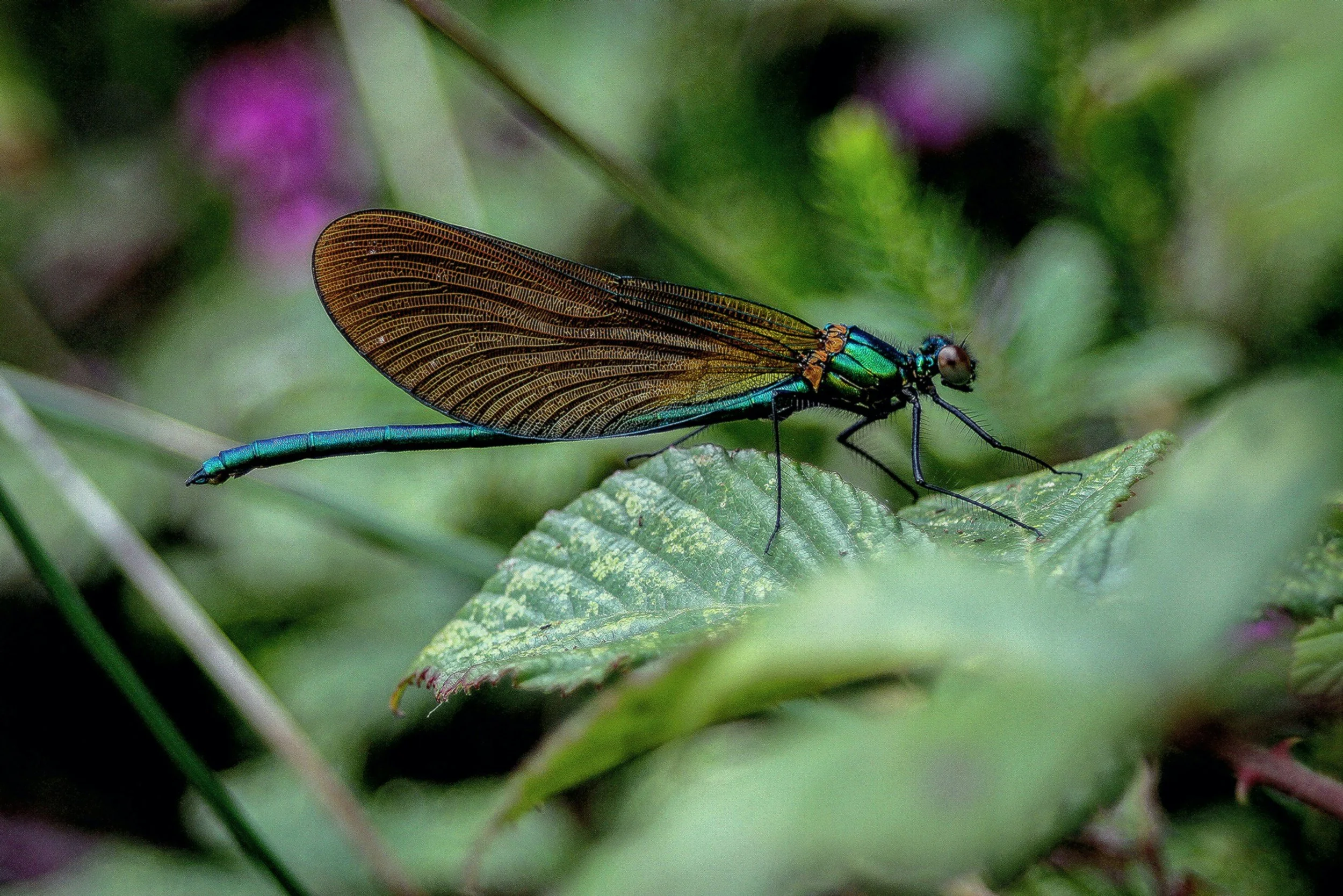
In 63 nature reserves across Germany, entomologist Caspar Hallmann and colleagues set out insect traps every year for nearly three decades and watched something disappear. Flying insect biomass fell 76 percent over that period, with midsummer losses reaching 82 percent. The decline held regardless of habitat type or weather. Later research revisiting the same reserves found no recovery. Insect biomass in those same reserves had simply stayed low. That single, well-documented data point captures the broader phenomenon researchers call biodiversity loss: not just fewer of a few species, but a measurable thinning of the living systems that keep ecosystems functioning.
What Biodiversity Actually Means
Biodiversity gets treated casually as a species count, but ecologists track two related and distinct things. Species richness is the simple number of different species in a given area. Functional diversity is the range of ecological roles those species perform: which ones pollinate, which decompose dead material, which control pest populations, which cycle nutrients through soil. A landscape can lose functional diversity while species richness looks stable, if the species disappearing happen to be the ones performing a role nothing else fills. Sometimes a single keystone species, a specific pollinator or a particular predator, supports an ecological function that the rest of an ecosystem's species count does nothing to replace. That distinction matters because a biodiversity statistic reported as a raw species count can understate how much ecological function has actually been lost.
The Scale of Biodiversity Loss
The most comprehensive assessment to date is the 2019 Global Assessment from the Intergovernmental Science-Policy Platform on Biodiversity and Ecosystem Services (IPBES), which reviewed roughly 15,000 sources. It concluded that around one million of an estimated eight million plant and animal species face extinction, many within decades. The same assessment found human activity had substantially reshaped more than three-quarters of the planet's land surface and left measurable impacts across two-thirds of the ocean. Habitat loss emerged as the single largest driver.
How much faster species are disappearing compared to natural background rates is genuinely still being worked out, and different methods produce different answers. Using deliberately conservative assumptions focused on vertebrates, biologist Gerardo Ceballos and colleagues put current extinction rates at up to 100 times the natural background rate. A separate analysis by Jurriaan de Vos and colleagues used fossil and phylogenetic dating methods across a broader range of species, putting the multiplier closer to 1,000 times. Researchers using that method project it could reach 10,000 times if current trends continue. Both figures point toward the same conclusion through different evidence, even though neither claims false precision the other doesn't have.
Why Biodiversity Loss Is Happening
Habitat fragmentation, the breaking of continuous natural habitat into smaller, disconnected patches by roads, development, and agriculture, does more damage than the raw acreage lost would suggest. Small, isolated patches carry more edge relative to interior area, and edges expose interior species to predators, invasive species, and microclimate shifts they did not evolve to handle. Isolated patches also cut off gene flow between populations, leaving small groups more vulnerable to inbreeding and local extinction from a single bad year.
Monoculture agriculture compounds the problem. A landscape planted in a single crop offers one habitat type where a functioning ecosystem once offered many. It typically comes with heavier pesticide use too, protecting that crop from pests a more diverse landscape would have controlled naturally. The German insect researchers pointed to exactly this combination, intensive agriculture and pesticide exposure, as the likely driver behind the decline they measured, even after ruling out weather and local habitat change as explanations.
What Is Actually at Stake
The consequences are concrete, not sentimental. Roughly three out of every four food crop types get at least some benefit from animal pollination. Because the highest-volume staples, wheat, rice, and corn, pollinate on the wind rather than through animals, that benefit narrows to about a third of global production once measured by volume instead of crop count. Even at that narrower scope, the pollination-dependent share of food production carries an estimated value between 235 and 577 billion dollars a year. Natural pest control from birds, insects, and other predators reduces the pesticide load agriculture would otherwise need. Wetland vegetation and soil microbial communities filter contaminants out of water before it reaches human supplies. Fungi, bacteria, and invertebrates break down organic matter into the soil that supports the next season's growth. None of these functions are visible the way a charismatic endangered species is, which is part of why their decline draws less attention than it probably should.
There is a quieter cost too. Undiscovered species represent undiscovered biological mechanisms, the same raw material that has already produced real engineering breakthroughs like a fastener modeled on a burr and a building cooled the way a termite mound is.
What Is Being Done, and What Is Not Enough on Its Own
International commitments now target protecting 30 percent of land and ocean area by 2030. Agri-environment programs take a different approach, paying farmers to maintain hedgerows, buffer strips, and other habitat features within working farmland rather than only inside protected boundaries. The German follow-up research offers a useful, honest data point on how far protection alone goes. Insect biomass was measurably higher inside nature reserves than on the surrounding farmland, but even inside the reserves, populations had not recovered to earlier levels. Protection matters, and it is not sufficient by itself when the surrounding landscape stays fragmented and treated with the same pesticide load.
Individual choices, native plant landscaping, reduced pesticide use, supporting habitat connectivity at a local level, do not substitute for systemic protection and restoration at scale. They are also not meaningless. A fragmented landscape is fragmented one parcel at a time, and reconnecting even a portion of that patchwork happens the same way.
Where This Leaves Things
The scale of biodiversity loss is well documented and genuinely serious, and pretending otherwise would not serve anyone trying to make sense of it. It is also not a closed case. The same research measuring decline is measuring where protection is working, however partially, which is a meaningfully different position than having no working interventions at all. Knowing which systems are breaking down, and specifically why, is what makes it possible to target restoration efforts at the actual mechanism instead of a general sense that something should be done.
