
Simple Water-Saving Tips to Reduce Water Usage at Home
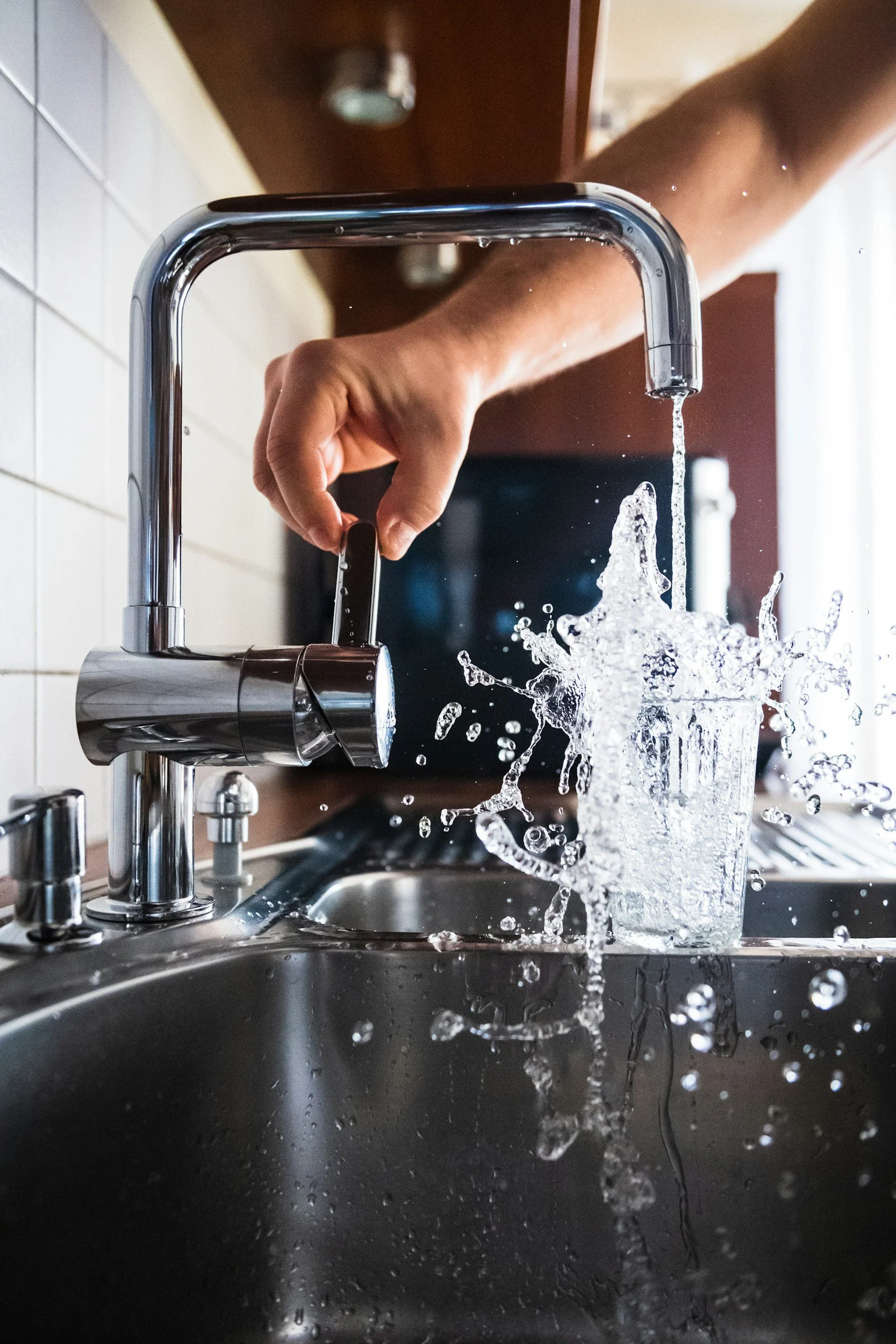
Water is one of our most precious resources, yet the average household uses hundreds of gallons daily without realizing how much disappears down the drain. Whether you're motivated by environmental concerns, rising utility bills, or both, reducing your water consumption is one of the most impactful changes you can make. The good news? Significant savings don't need a total lifestyle overhaul. With thoughtful adjustments to your daily habits and a few strategic upgrades, you can cut your water usage dramatically while maintaining comfort and convenience.
Understanding Your Water Footprint
Before diving into solutions, it's worth understanding where water goes in a typical home. According to the EPA's WaterSense program, toilets account for nearly 30% of indoor water use, followed by washing machines at 20%, showers at 17%, and faucets at 16%. Outside, landscape irrigation can consume up to 50% of total household water during summer months. These numbers reveal something encouraging: a few targeted changes in high-consumption areas can yield significant savings.
Bathroom: The Biggest Opportunity
The bathroom represents the single greatest opportunity for water conservation in most homes. Start with your toilet, which likely uses far more water per flush than necessary. Older models can use up to seven gallons per flush, while modern high-efficiency toilets use just 1.28 gallons or less. If replacing your toilet isn't possible right now, consider placing a filled water bottle or toilet dam in the tank to reduce the volume per flush. This simple trick can save up to a gallon per flush without compromising performance.
Showers are another major water consumer, but they're also where small changes create big impacts. A standard showerhead flows at 2.5 gallons per minute, meaning a 10-minute shower uses 25 gallons. Switching to a low-flow showerhead that delivers 1.5 gallons per minute or less can cut that consumption by 40% while maintaining satisfying water pressure through innovative aerating technology. Beyond hardware, simply reducing your shower time by two or three minutes can save thousands of gallons annually.
The humble bathroom faucet deserves attention too. We often let water run while brushing teeth, washing hands, or shaving, activities that rarely need continuous flow. Installing faucet aerators reduces flow from 2.2 gallons per minute to as little as 0.5 gallons while maintaining enough pressure for washing. Together with the simple habit of turning off the tap when it's not actively needed, these aerators can save a family of four up to 700 gallons monthly.
Kitchen Wisdom: Efficiency Without Sacrifice
The kitchen offers many opportunities for conservation that actually enhance efficiency. When washing dishes by hand, the instinct is to leave water running for rinsing, but this method wastes far more water than necessary. Instead, fill one sink basin with soapy water and the other with rinse water, or use a rinse basin alongside the faucet. Better yet, run your dishwasher as modern dishwashers use less water than hand-washing and are remarkably efficient, typically consuming just three to five gallons per cycle.
Your kitchen faucet can benefit from the same aerator upgrade as bathroom sinks. When rinsing produce or filling pots, you rarely need full-force flow. An aerator maintains functionality while reducing waste. Consider also keeping a pitcher of drinking water in the refrigerator rather than running the tap until water turns cold, a habit that wastes several gallons weekly.
Laundry Room Efficiency
Washing machines rank among the thirstiest appliances in your home. If you're shopping for a new machine, front-loading or high-efficiency top-loading models use 15-30 gallons per load compared to 40-45 gallons for traditional top-loaders. Until then, maximize efficiency by running only full loads and using the appropriate water level setting for smaller batches. Cold water washing saves energy while cleaning most clothing effectively, and modern detergents are formulated to work excellently in cooler temperatures.
Outdoor Conservation: Where the Real Savings Live
For homes with yards, outdoor water use often exceeds indoor consumption, making it a critical focus area. Smart irrigation is a very effective outdoor water-saving strategy. Water your lawn and garden during early morning hours when evaporation is minimal. Watering at midday can lose up to 30% to evaporation. Most lawns need only one inch of water weekly, including rainfall. Place a tuna can in your yard to measure output; when it's full, you've watered enough.
Consider drip irrigation for garden beds, which delivers water directly to plant roots with minimal evaporation or runoff. This method can reduce outdoor water use by 30-50% compared to traditional sprinklers. Mulching around plants retains soil moisture and reduces watering frequency while adding nutrients as it decomposes, a win for both conservation and plant health.
Rethinking your landscape design offers long-term savings. Native and drought-tolerant plants need far less water than traditional lawns and non-native species. Replacing even portions of your lawn with xeriscaping, ground covers, or permeable hardscaping can dramatically reduce irrigation needs while creating visual interest and supporting local ecosystems.
The Power of Leak Detection
Hidden leaks silently drain resources and money. A toilet that runs intermittently can waste up to 200 gallons daily, while a dripping faucet wastes thousands of gallons yearly. Regularly check for leaks by reading your water meter before and after a two-hour period when no water is being used. Any change indicates a leak. Add food coloring to toilet tanks; if color appears in the bowl without flushing, you've found a leak. These problems are often inexpensive to fix but costly to ignore.
The Ripple Effect
Implementing these water-saving strategies creates benefits that extend beyond lower utility bills. Reduced water heating saves energy and lowers your carbon footprint. Less water consumption means decreased strain on municipal water systems and natural water sources. In drought-prone regions, conservation helps ensure water availability for your community.
Start with the easiest changes: shorter showers, turning off taps, running full loads, and gradually incorporate more significant upgrades as budget allows. Track your water bill monthly to see your progress. Most households implementing these strategies see reductions of 20-35% in water usage, translating to meaningful financial savings and environmental impact. Every gallon saved is a step toward more sustainable living, proving that environmental responsibility and practical benefits flow together beautifully.
