
Why Indoor Air Quality Matters (And How to Improve It)
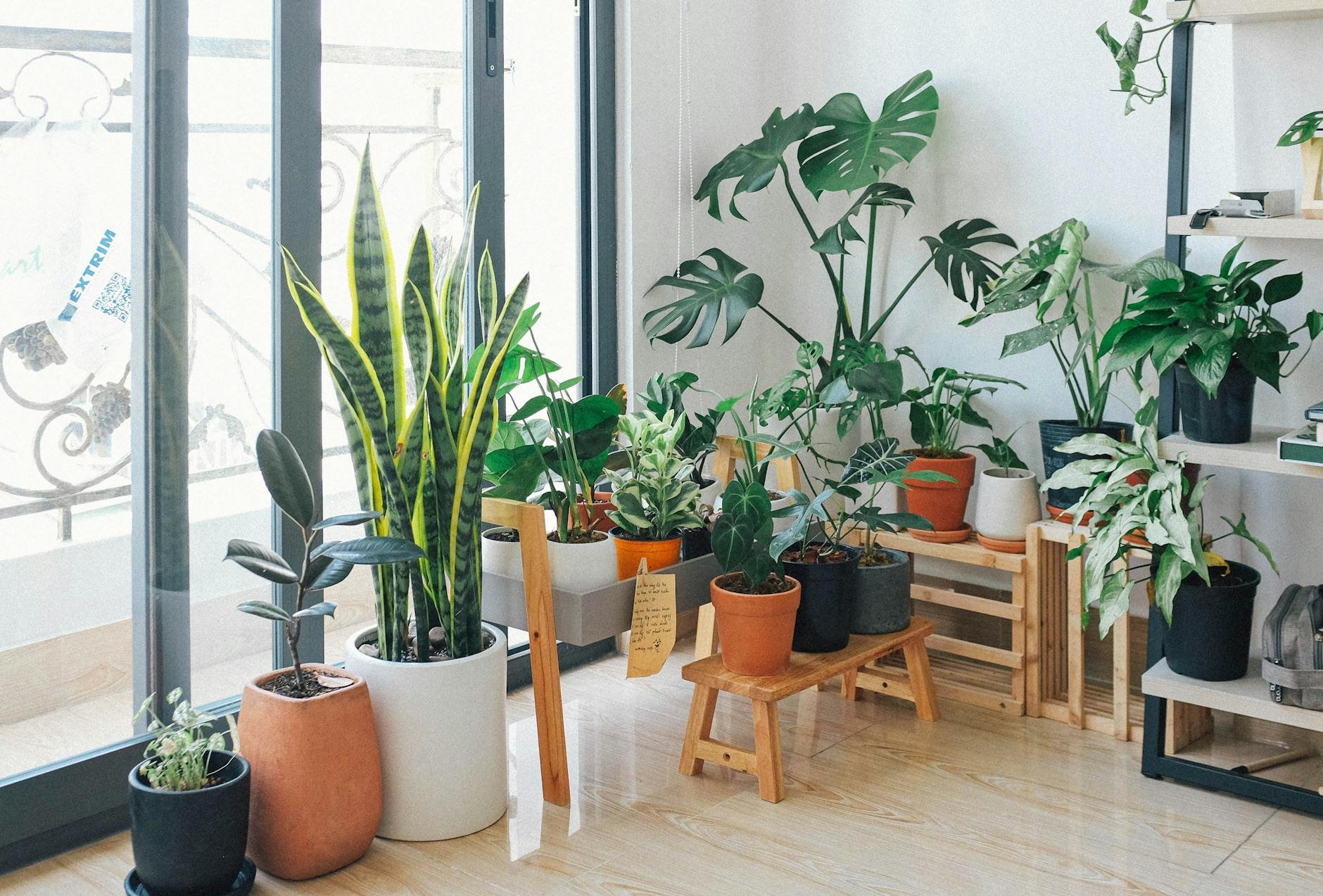
We spend approximately 90% of our time indoors, yet according to EPA research, indoor air can be two to five times more polluted than outdoor air. Understanding and improving indoor air quality isn't just about comfort. It's a fundamental aspect of creating healthy, sustainable living spaces that support our wellbeing.
The Hidden Impact of Indoor Air Quality on Health
Indoor air quality (IAQ) directly affects our respiratory health, cognitive function, and overall wellbeing. Poor air quality contributes to a range of health issues, from immediate symptoms like headaches and fatigue to long-term conditions including asthma, cardiovascular disease, and reduced immune function.
The Environmental Protection Agency identifies indoor air pollution as one of the top five environmental health risks. Common indoor pollutants include volatile organic compounds (VOCs) from furniture and paint, particulate matter from cooking and combustion, biological contaminants like mold and dust mites, and carbon dioxide from inadequate ventilation.
Children, elderly individuals, and those with existing respiratory conditions are particularly vulnerable to poor indoor air quality. However, even healthy adults experience reduced cognitive performance and productivity in poorly ventilated spaces with elevated CO2 levels.
Major Sources of Indoor Air Pollution
Understanding pollution sources is the first step toward improving your indoor environment. Building materials and furnishings continuously release VOCs through a process called off-gassing. New carpets, pressed wood furniture, and fresh paint are particularly high emitters, though emissions decrease over time.
Household cleaning products, air fresheners, and personal care items introduce chemical compounds into your indoor air. Many conventional cleaners contain harsh chemicals that linger in the air long after use, creating a cocktail of pollutants in enclosed spaces.
Combustion sources present serious risks. Gas stoves release nitrogen dioxide and particulate matter directly into kitchen air. Candles and incense, while creating ambiance, produce fine particulate matter that penetrates deep into lungs. Even seemingly minor sources like cooking oils at high temperatures contribute to indoor air pollution.
Moisture problems create ideal conditions for biological contaminants. Mold spores, dust mites, and bacteria thrive in humid environments, triggering allergies and respiratory issues. Leaky pipes, poor ventilation in bathrooms, and inadequate drainage around building foundations all contribute to excess moisture.
How Environmental Design Influences Air Quality
Thoughtful environmental design creates spaces where healthy air quality is built into the structure rather than constantly fought against. Proper ventilation design ensures adequate fresh air exchange while maintaining energy efficiency. Modern buildings often prioritize airtightness for energy conservation but must balance this with sufficient ventilation to prevent pollutant accumulation.
Material selection dramatically impacts long-term air quality. Low-VOC and zero-VOC paints, formaldehyde-free furniture, natural fiber textiles, and solid wood products minimize chemical emissions. Green building certifications like LEED, WELL, and Living Building Challenge prioritize materials that support healthy indoor environments.
Strategic spatial planning improves air circulation and reduces pollution concentration. Open floor plans facilitate air movement, while dedicated spaces for polluting activities, like mudrooms for removing outdoor shoes or utility rooms for storing cleaning supplies, contain contaminants away from living areas.
Natural ventilation strategies, when climate allows, provide fresh air without mechanical systems. Operable windows positioned to capture prevailing breezes, clerestory windows for stack ventilation, and thoughtfully designed courtyards create passive air exchange that reduces energy consumption while maintaining air quality.
Practical Steps to Improve Indoor Air Quality
Enhance Ventilation: Increase fresh air exchange by opening windows regularly, even in winter for short periods. Use exhaust fans while cooking and showering, extending runtime 15-20 minutes beyond activity completion. Consider installing energy recovery ventilators (ERVs) that bring in fresh air while minimizing energy loss.
Control Humidity Levels: Maintain indoor humidity between 30-50% to inhibit mold growth and dust mites while preventing excessive dryness. Use dehumidifiers in damp spaces like basements, run bathroom fans during and after showers, and fix water leaks promptly. In dry climates or winter months, humidifiers prevent respiratory irritation from overly dry air.
Choose Low-Emission Products: Select paints, adhesives, and furnishings with low or zero VOC ratings. When purchasing new furniture, allow pieces to off-gas in garages or well-ventilated areas before bringing them into living spaces. Opt for solid wood over particleboard, natural fiber rugs over synthetic carpeting, and water-based finishes over solvent-based products.
Upgrade Your Filtration: Replace HVAC filters every 1-3 months with high-quality filters rated MERV 11-13 for residential use. These capture smaller particles than standard filters while maintaining system efficiency. Portable air purifiers with HEPA filters benefit bedrooms and high-use areas, particularly for those with allergies or respiratory conditions.
Embrace Green Cleaning: Transition to cleaning products made from plant-based ingredients or create effective cleaners from simple ingredients like vinegar, baking soda, and castile soap. Avoid air fresheners and synthetic fragrances, which mask odors while adding chemical pollutants. Instead, improve ventilation to eliminate odors at their source.
Reduce Combustion Emissions: If you have a gas stove, always use the range hood vented to the outside when cooking. Consider transitioning to induction cooking, which produces no indoor combustion emissions. Minimize candle use, or choose beeswax or soy candles with cotton wicks, burning them only in well-ventilated spaces.
Maintain HVAC Systems: Schedule annual professional maintenance for heating and cooling systems. Clean ductwork when visibly contaminated, ensure proper system operation, and replace filters on schedule. Well-maintained systems circulate air more effectively and filter pollutants more efficiently.
Test and Monitor: Consider testing for radon, a naturally occurring radioactive gas that enters homes through foundation cracks and causes lung cancer. Radon test kits are inexpensive and easy to use. Indoor air quality monitors track particulate matter, VOCs, CO2, humidity, and temperature, helping you understand your indoor environment and identify problems.
The Role of Plants in Indoor Air Quality
While NASA's famous clean air study suggested houseplants significantly improve air quality, more recent research provides nuanced understanding. Plants do remove small amounts of pollutants through phytoremediation, but you would need an impractically large number to significantly impact air quality in typical homes.
However, plants offer meaningful benefits beyond direct air purification. They increase humidity through transpiration, benefiting respiratory comfort in dry environments. The psychological benefits of biophilic design, incorporating natural elements into indoor spaces, reduce stress and improve mental wellbeing. Plants also serve as natural humidity indicators; struggling plants often signal air that's too dry or ventilation that's insufficient.
For those seeking air quality benefits from plants, focus on easy-care varieties like pothos, spider plants, snake plants, and peace lilies. Position them throughout your space to maximize psychological benefits, but pair them with proven air quality strategies like proper ventilation and filtration.
Building a Comprehensive Air Quality Strategy
Improving indoor air quality requires a holistic approach that addresses sources, ventilation, and filtration simultaneously. Start by identifying and eliminating or reducing pollution sources. This foundational step prevents problems rather than simply treating symptoms.
Next, ensure adequate ventilation brings fresh air into your space and exhausts pollutants. This may involve behavioral changes like opening windows regularly, mechanical solutions like installing exhaust fans, or systemic upgrades like ERVs for whole-house ventilation.
Finally, employ filtration to remove pollutants that remain despite source control and ventilation. Quality HVAC filters and strategic use of portable air purifiers capture particulates and some gaseous pollutants, creating an additional layer of protection.
Regular monitoring and maintenance keep your air quality strategy effective over time. Seasonal adjustments account for changing outdoor conditions, periodic testing identifies new problems before they become serious, and ongoing education about emerging research helps you refine your approach.
The Connection Between Air Quality and Sustainable Living
Healthy indoor air quality and environmental sustainability are deeply interconnected. Energy-efficient buildings require careful ventilation design to avoid trapping pollutants while minimizing energy use. Low-emission materials reduce both indoor pollution and environmental impact from manufacturing. Natural ventilation strategies eliminate mechanical system energy consumption when conditions allow.
The transition to electric appliances, particularly induction stoves and heat pumps, improves indoor air quality while supporting renewable energy integration. These technologies eliminate combustion emissions in homes, creating healthier spaces while reducing carbon footprints.
Sustainable living embraces long-term thinking about material durability and lifecycle impacts. Choosing durable, natural materials that age gracefully rather than degrading and off-gassing supports both environmental goals and ongoing air quality. This mindset shift from cheap, disposable items to quality, lasting products benefits personal health and planetary health simultaneously.
Breathing Life Into Healthy Spaces
Indoor air quality represents a crucial intersection of environmental design, personal health, and sustainable living. By understanding pollution sources, implementing proven improvement strategies, and designing spaces that prioritize healthy air from the beginning, we create environments that truly support human wellbeing.
The air we breathe shapes our health, productivity, and quality of life. Investing in indoor air quality isn't merely about avoiding illness, it's about creating spaces where we thrive. Whether you're designing a new home, renovating an existing space, or simply optimizing your current environment, prioritizing air quality creates lasting benefits for you, your family, and the planet we all share.
Start with one or two changes today. Open windows for cross-ventilation, switch to low-VOC cleaning products, or install a quality air filter. Small actions compound into significant improvements, creating healthier indoor environments one breath at a time.
