
No Mow May: Why Your Unmowed Lawn Matters for Pollinators
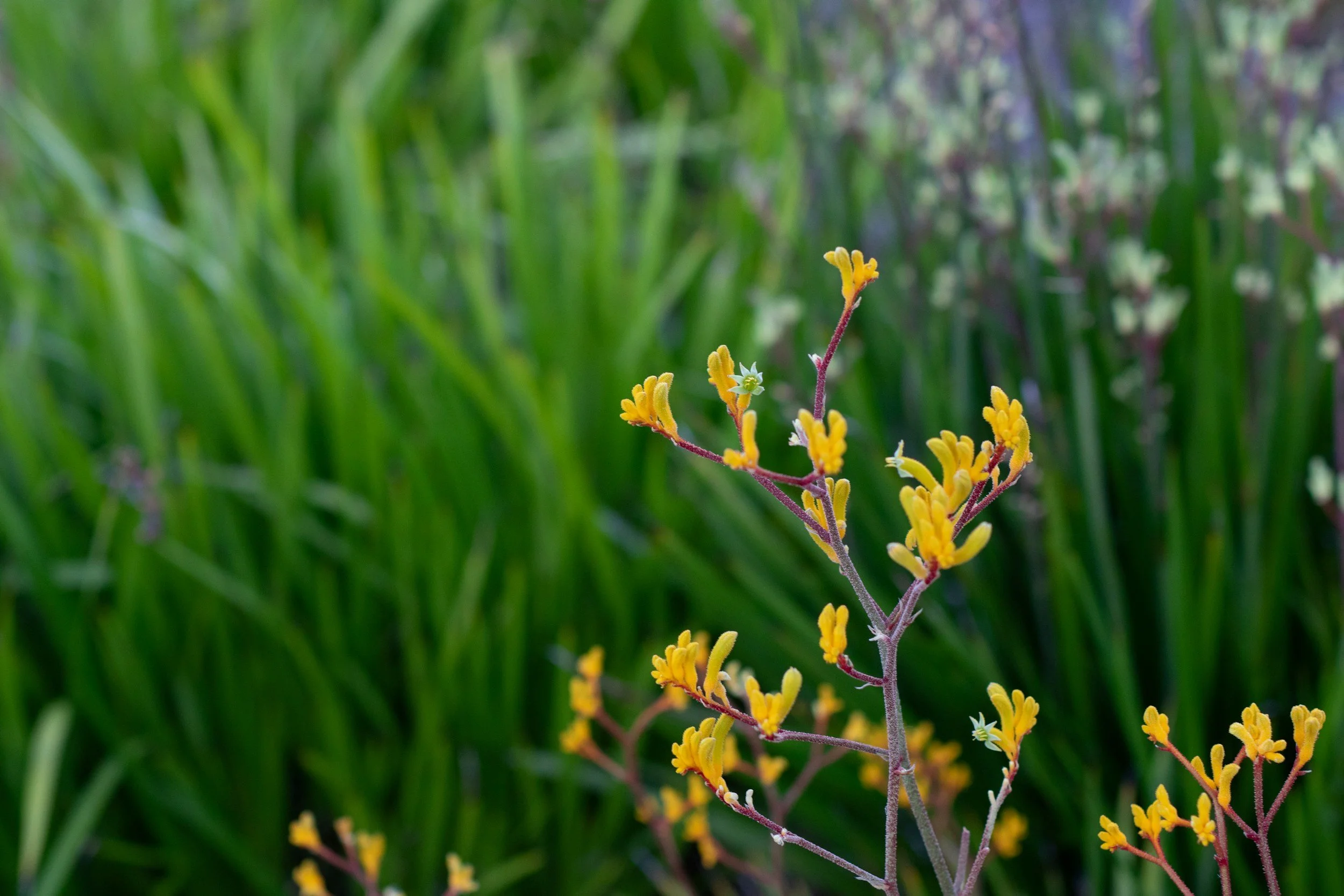
You've probably seen the posts. Lawns full of dandelions and clover, proudly unmowed, with cheerful explanations about helping the bees. The movement, called No Mow May, asks people to put away their mowers for the entire month of May to provide early-season food and habitat for pollinators. It sounds simple, maybe even lazy. But there's real science behind why those first few weeks of spring matter so much for bee populations.
The context matters here. Pollinator populations, particularly native bees, have been declining across North America for decades. Habitat loss drives much of this decline. As agriculture becomes more intensive and development spreads, the diverse wildflower meadows and natural areas that once sustained these species disappear. What replaces them often includes millions of acres of mowed turf grass, which offers pollinators essentially nothing. Your lawn, statistically speaking, is probably part of that ecological desert.
Why May Specifically
The timing of No Mow May targets a critical period in the pollinator lifecycle. Many native bee species emerge from winter dormancy in early spring, when temperatures warm but before most plants have bloomed. These bees need immediate access to nectar and pollen to survive and reproduce. In natural systems, early-blooming wildflowers fill this niche. In suburban and urban landscapes, the plants that bloom earliest are often the ones we've been trained to call weeds.
Dandelions bloom in April and May across much of the United States. So do clover, violets, and ground ivy. These plants provide some of the only available food sources for bees during what researchers call the "hungry gap," the weeks between winter and when most garden plants and trees begin flowering. When you mow in early May, you're removing the flowers right when bees need them most. The plant regrows, but the bloom cycle gets disrupted repeatedly. A dandelion that gets mowed every week never produces the sustained nectar flow that bees depend on.
Research from the UK, where No Mow May originated through the conservation organization Plantlife, found that lawns left unmowed during May had ten times more bee activity compared to weekly-mowed lawns. The study tracked lawns across different property types and found consistent results. Even small unmowed patches made a measurable difference.
What You're Actually Providing
The ecological value of an unmowed May lawn depends entirely on what's already growing there. If your lawn is pure turf grass with aggressive weed control, letting it grow for a month won't help much. There simply won't be flowers. But most residential lawns, even well-maintained ones, contain some percentage of flowering "weeds." Dandelions, white clover, creeping thyme, violets, and self-heal all commonly establish in lawns and all provide pollen or nectar.
The more diverse your lawn, the more valuable it becomes during No Mow May. Dandelions alone support over 90 different native bee species in North America. White clover provides both pollen and nectar and tolerates foot traffic well. Violets support specialist bee species that depend specifically on violet pollen. These aren't invasive species. They're native or naturalized plants that evolved alongside native pollinators.
From a pollinator's perspective, your lawn during No Mow May functions as a small-scale meadow. It won't replace the large habitat patches that declining species need most, but it can serve as a stepping stone, a refueling station between larger habitat areas. In fragmented landscapes, which describes most of suburban America, these small patches matter more than you might expect.
How to Actually Do This
The mechanics are straightforward. Stop mowing your lawn on May 1st. Resume mowing after May 31st. That's the entire protocol. If you have a lawn service, let them know you're pausing for May. If you have specific areas you want to keep mowed (high-traffic paths, areas near your front door), that's fine. Partial participation still provides value.
You can mow the lawn shorter than usual in late April to make the transition less visually dramatic if that concerns you. Once June arrives, you can return to your normal mowing schedule or, if you're interested in ongoing pollinator support, consider mowing less frequently or leaving sections unmowed permanently.
The budget consideration here is simple. You're saving money. Gas, equipment wear, lawn service fees, all on pause. If you've been looking for a lower-maintenance approach to your yard, No Mow May offers a trial period with ecological benefits built in.
The Real Barriers
The obstacles to No Mow May are rarely logistical. They're social and regulatory. Many people worry about neighbors' reactions, property values, or perceived neighborhood standards. Some homeowners associations explicitly prohibit unmowed lawns. Municipal codes in some cities set maximum grass height limits and issue fines for violations.
These aren't irrational concerns. Conventional American lawn culture is deeply entrenched, and deviating from it can feel genuinely risky, especially if you're in a neighborhood with active enforcement. If you face formal restrictions, No Mow May might not be possible. Some participants have had success requesting temporary exceptions or focusing on backyard areas not visible from the street. Others have found that putting up a small explanatory sign reduces neighbor complaints.
The aesthetic piece matters too. An unmowed May lawn looks noticeably different. If that difference feels unacceptable to you, that's a valid response. The goal here isn't to pressure everyone into identical participation regardless of their circumstances. The goal is to make space for the people who are willing and able to participate.
What No Mow May Doesn't Solve
Individual lawn management decisions don't fix habitat loss. The scale is wrong. Pollinator declines stem from industrial agriculture, widespread pesticide use, climate change, and large-scale habitat conversion. Your unmowed lawn in May won't reverse those trends. It's worth being clear about that.
What it can do, though, is slightly reduce resource scarcity for pollinators in your immediate area during a critical period. It models an alternative approach to lawn care that other people in your neighborhood might notice and consider. It opens space for conversations about what lawns are actually for and whether the maintenance intensity we've normalized makes sense. These are modest outcomes, but they're not meaningless.
If you participate in No Mow May and want to extend the impact, the next logical step is rethinking your lawn more permanently. Reducing mowing frequency throughout the growing season provides sustained benefits beyond a single month. So does converting sections of your lawn to native plant gardens.
Beyond the Lawn: Adding Native Plants
Native plants offer something dandelions and clover can't: they've evolved alongside native pollinators for thousands of years, and many specialist bee species depend on specific native plant species for survival. A patch of native wildflowers provides food throughout the growing season, not just in May, and supports a much wider diversity of insects than lawn weeds alone.
You don't need to convert your entire property. Even a small section, maybe 50 to 100 square feet, makes a difference. Choose plants native to your specific region, not just native to North America broadly. A prairie wildflower from the Midwest won't necessarily thrive or support local pollinators in the Southeast. Your local native plant society or university extension office can provide species lists appropriate for your area.
Budget matters here too. Native plant gardens can be expensive if you buy mature plants from a nursery, but you can also start from seed for a fraction of the cost. Many native plants spread readily once established, so you can start small and let the garden expand naturally over several years. Maintenance is generally lower than lawn care once the plants are established, since they're adapted to your local climate and soil without supplemental water or fertilizer.
Making the Connection
The pollinator crisis and your lawn care choices exist at different scales, but they're not unrelated. Habitat loss happens one decision at a time, across millions of properties. Each mowed lawn, each application of weed killer, each conversion of a meadow to turf contributes to the cumulative loss of pollinator habitat. Reversing that loss can also happen incrementally, through individual property decisions that add up across a landscape.
No Mow May won't fix the systemic problems driving pollinator declines. It will, however, provide measurable benefits to the bees in your area during the season when they need it most. If you can participate without serious social or financial consequences, it's worth considering. If you can't, there's no shame in that. The barriers are real. But for the people who have the flexibility to let their lawns grow for a month, the ecological return on that small change is surprisingly high.
