
A Guide to Seasonal Produce in North America
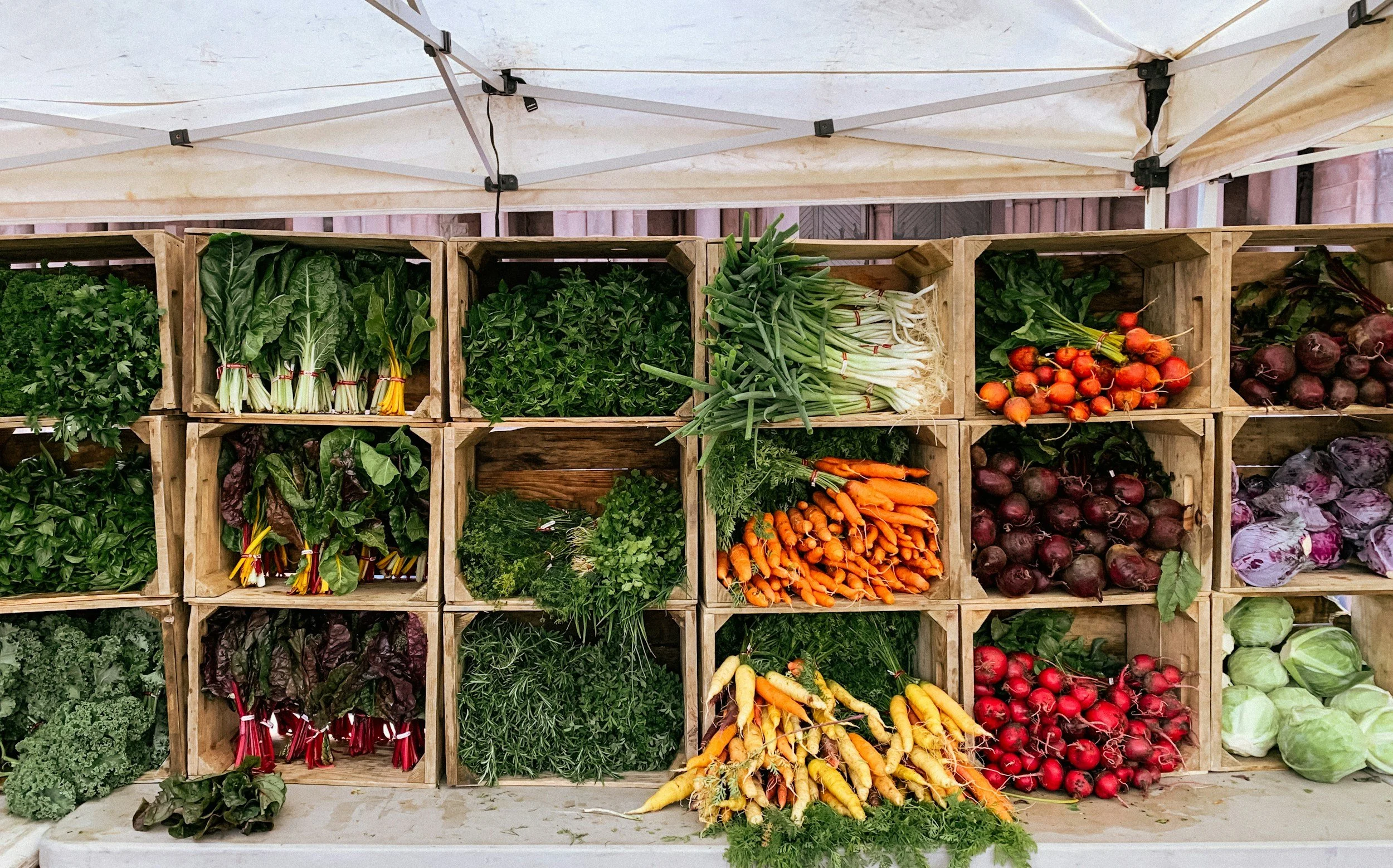
Eat Fresh, Save Money, and Support Local
Shopping for seasonal produce in North America is an easy, delicious, and sustainable way to improve health, cut grocery costs, and make a positive impact on local farmers and the environment. This guide explores the best practices, trends, and actionable tips for choosing fruits and vegetables at their peak, with a regional focus designed for readers across the continent. Discover how understanding seasonality, knowing local harvest calendars, and using smart strategies in the store can transform every meal.
Why Choose Seasonal Produce?
Eating "in-season" means selecting fruits and vegetables harvested at their natural peak. Seasonal foods are fresher, tastier, and often more nutritious than those shipped thousands of miles or kept in cold storage for months. Supporting local, seasonal agriculture lowers your carbon footprint and encourages the availability of a wider variety of produce in your community. Cost savings are a bonus as in-season produce tends to be priced lower due to supply abundance.
Understanding North American Regional Seasonality
North America is vast, with climate zones ranging from Canada's snowy north to California's Mediterranean weather. Seasonality means different things for every region:
Region | Spring (Mar-May) | Summer (Jun-Aug) | Fall (Sep-Nov) | Winter (Dec-Feb)
Northeast: Asparagus, rhubarb, spinach | Berries, tomatoes, sweet corn | Apples, pumpkins, squash | Kale, root vegetables, apples
Midwest: Spinach, peas, lettuce | Peaches, cucumbers, tomatoes | Pears, cabbage, potatoes | Turnips, squash, carrots
South: Greens, onions, strawberries | Peaches, watermelon, beans | Okra, pumpkins, sweet potatoes | Citrus, collards, winter greens
West Coast: Artichokes, greens, strawberries | Tomatoes, grapes, peppers | Apples, figs, squash | Citrus, Brussels sprouts
Northwest: Peas, chard, asparagus | Berries, carrots, salad greens | Apples, pears, mushrooms | Beets, leeks, potatoes
Southwest: Chiles, carrots, onions | Avocados, melons, tomatoes | Pomegranates, sweet potatoes | Dates, turnips, limes
Keep this table handy when meal planning, shopping, or visiting local markets.
How to Find Seasonal Produce Where You Live
Use Local Guides: Many agriculture extensions and local nonprofits publish monthly produce calendars tailored for your city or region.
Visit Farmers Markets: Markets offer direct access to produce harvested that week, supporting local farms and reflecting what's fresh nearby.
Ask at the Store or Market: Don't hesitate to ask grocers or farmers when and where items were harvested. Produce labeled "local" or "fresh-picked this week" is usually in season.
Observe Price and Quality: Seasonal produce will look and taste the best with vivid colors, firm textures, and bright aromas. Out-of-season items tend to be pricier and sometimes appear dull from travel or storage.
Benefits of Shopping Seasonally
Better Flavor and Nutrition: Research shows that produce loses nutrients during long-distance transport and extended storage. Vitamins and antioxidants peak at harvest, making seasonal produce fresher, tastier, and more nutrient-dense.
Lower Costs: Grocery stores often discount abundant local produce. Seasonal oversupply means fresh fruit and vegetables usually cost less.
Lower Environmental Impact: Transporting produce across long distances burns fossil fuels and requires packaging. Buying local in season helps reduce emissions and supports agricultural diversity.
Supports Local Farms: Purchasing seasonal produce means your money goes directly to farmers who reinvest in sustainable practices and healthy soils.
Shopping Strategies for Each Season
Spring Produce Tips (March–May): Look for asparagus, spinach, radishes, rhubarb, green onions, and peas. Visit markets early—spring greens and herbs sell out quickly due to their short season. Enjoy apricots, cherries, and strawberries in late spring; freeze or make jam for later.
Summer Abundance (June–August): Choose tomatoes, cucumbers, corn, squash, and peppers. Watermelon, peaches, blueberries, and nectarines peak in flavor. Buy berries and cherries by the flat—preserve extras for winter smoothies or baking. Ask for "seconds" (slightly imperfect produce) at markets; perfect for sauces and preserves.
Fall Harvest (September–November): Go for apples, pears, pumpkins, root vegetables, and cabbage. Stock up on squash, carrots, broccoli, and Brussels sprouts for soups and sides. Get creative for autumn celebrations—think apple crisps, roasted squash, and stuffed pumpkins. Preserve apples and pears as sauce or dried snacks.
Winter Choices (December–February): Focus on hearty greens (kale, collards), root vegetables (beets, potatoes, carrots), and citrus fruits for immune health. Explore recipes for roasted vegetables, hearty stews, and winter salads. Look for local citrus, especially in southern regions—fresh oranges, lemons, and grapefruits brighten the winter months.
Farmers Market Vs. Grocery Store: Where to Shop
Farmers Markets: Offer unbeatable freshness, unique variety (heirloom, specialty crops), and insight into where and how produce was grown. Many markets encourage shoppers to try unfamiliar crops.
Grocery Stores: Increasingly promote local and seasonal produce—look for displays marked "local harvest" or "fresh-picked." Ask produce managers what's in peak season locally.
Cooperatives and CSAs: Membership-based buying groups source nearly everything seasonally and locally. Joining a CSA (Community Supported Agriculture) delivers fresh produce boxes regularly.
Smart Storage: Keeping Seasonal Produce Fresh
Keep greens and herbs crisp with damp paper towels and sealed containers.
Store root vegetables in cool, dark places to lengthen freshness—use a cellar or fridge crisper drawer.
Freeze berries and ripe summer fruit for off-season use; label containers with dates.
Preserve fall apples and pears by drying, making sauce, or storing in cold storage.
Planning Seasonal Meals
Base your weekly menus around local availability for easier shopping and less waste. For example:
Early summer: grilled zucchini, corn salads, and berry desserts.
Autumn: roasted root vegetable bowls, apple crisp, and hearty cabbage soups.
Winter: citrus vinaigrettes, kale smoothies, and slow-cooked stews.
Batch cooking and freezing help maximize seasonal ingredients. Family favorites, like homemade tomato sauce in late summer or pumpkin bread in autumn, can be made in bulk.
Maximizing Value & Sustainability
Buy in Bulk: Take advantage of seasonal abundance for freezing, canning, or sharing with friends.
Learn Preservation Techniques: Pickling, fermenting, and drying make seasonal produce last longer.
Embrace Imperfect Produce: Misshapen fruits or veggies are just as nutritious and reduce food waste.
Common Seasonal Produce Questions
How can I know what's in season in my state? Use national and local online guides or ask your market farmers what's fresh.
Does eating seasonally mean everything must be local? Local is best for freshness and the environment, but eating produce in season nationally is preferable to imported out-of-season items.
What if I live in a region with harsh winters? Focus on root vegetables, hardy greens, and storage crops in winter. Use preserved or greenhouse produce off-season.
How do I meal-plan for seasonality? Start with a weekly produce list from your local market, and adapt meals to use what's fresh. Batch-cook and freeze extras.
Embrace Seasonal Eating
Shopping for seasonal produce is simple, rewarding, and powerful for those seeking better health, flavor, and eco-conscious habits. Whether browsing farmers markets, joining CSAs, or finding fresh picks in your grocery store, using the rhythm of the seasons ensures tasty meals and a lighter footprint. Adopt these strategies to celebrate North America's agricultural bounty all year round.
Eat fresh, save money, and support your local community by embracing seasonal produce wherever you live.
