
Reducing Food Waste: Simple Kitchen Strategies
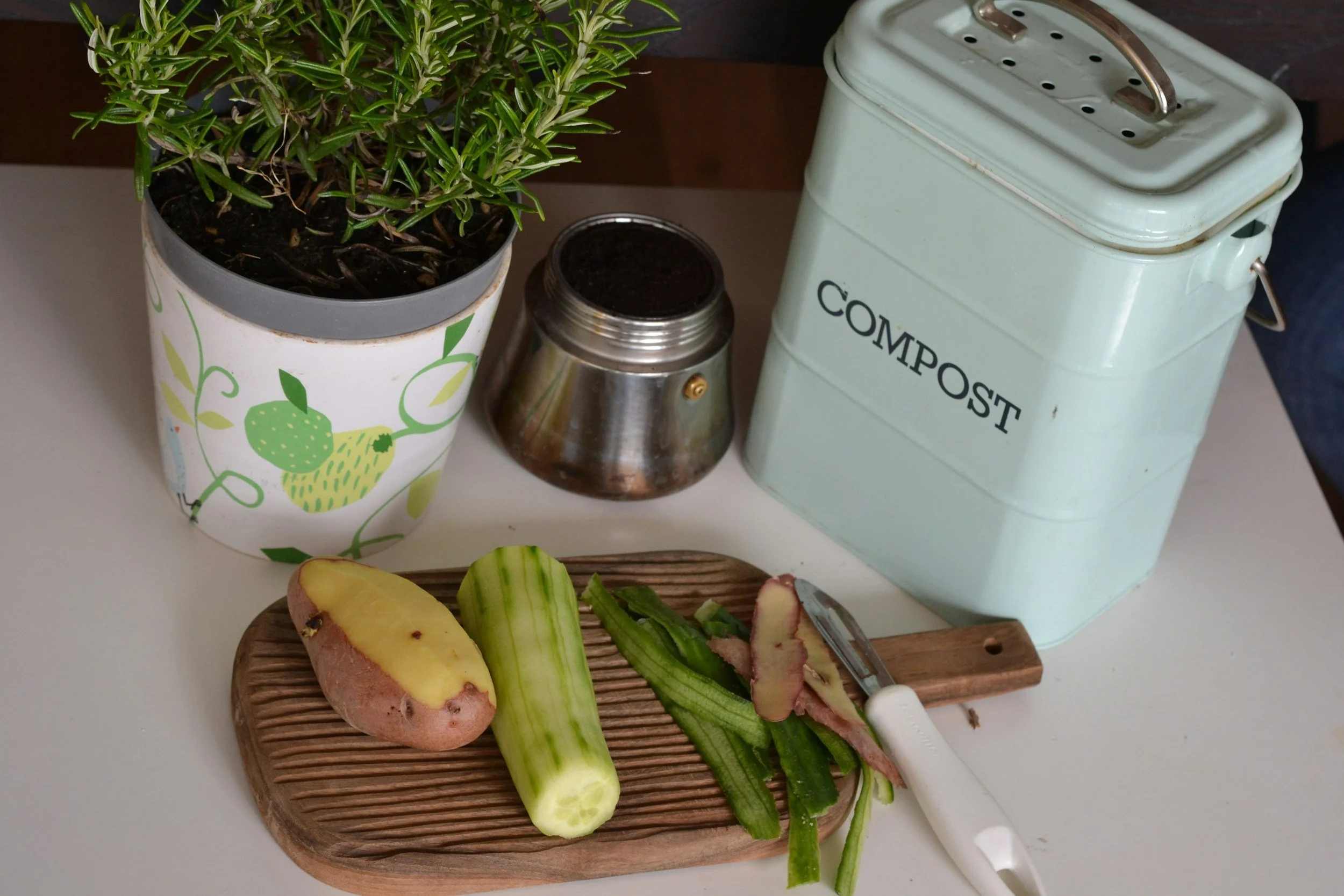
Reducing food waste is one of the most impactful ways to care for the planet, save money, and promote a healthier, more mindful way of living. According to the United Nations Food and Agriculture Organization, an estimated one-third of all food produced globally is wasted, food that could feed millions while also conserving the resources used in growing, transporting, and packaging it. The kitchen is the heart of this issue, but it's also where real change can begin. With a mix of design-conscious organization, practical routines, and creative thinking, anyone can cultivate a more sustainable kitchen culture.
The Hidden Cost of Wasted Food
When food is thrown away, it's not just the spoiled leftovers that go to waste, but it's also the water, energy, and labor that went into growing, transporting, and preparing it. Decomposing food in landfills produces methane, a greenhouse gas over 25 times more potent than carbon dioxide. According to the United Nations, if food waste were a country, it would be the third-largest emitter of greenhouse gases after China and the United States.
Reducing waste in our kitchens doesn't have to be overwhelming. In fact, it often leads to fresher meals, simpler routines, and a deeper appreciation for what we eat. By integrating intentional design and better habits, anyone can transform their kitchen into a space that supports both health and the planet.
1. Rethink Your Kitchen Layout for Visibility
The way we design and organize our kitchens can unintentionally promote waste. Food that's hidden tends to go uneaten, while visible ingredients remind us to use them before they spoil.
Use transparent containers. Store leftovers and perishables in clear glass or BPA-free plastic containers so you can instantly see what needs to be eaten.
Adopt a "first in, first out" system. When unloading groceries, bring older items forward in the fridge and pantry so they don't get forgotten.
Designate a "use me first" zone. A small refrigerator bin labeled for foods nearing expiration can help keep them top of mind for tonight's dinner or lunch prep.
Incorporate open shelving. Where practical, open shelves encourage visual awareness and make it easier to plan meals around what you already have.
A well-designed kitchen empowers better decision-making. By simply improving visibility, you reduce the likelihood of overlooked produce or expired containers hidden in the back of the fridge.
2. Shop Smarter, Not Harder
Most food waste begins before we even turn on the stove. Overbuying and impulse shopping often lead to unused ingredients that spoil before you can use them. Adopting a few mindful shopping habits can make a significant difference.
Plan your meals. Draft a weekly meal plan that uses overlapping ingredients. For example, tomatoes from tonight's pasta can be added to tomorrow's salad or soup.
Write smaller shopping lists. Stick to what you need, but allow for one or two flexible "wild card" items for creativity.
Don't shop hungry. It's a small tip with a big impact. Shopping after a meal reduces the urge to buy excess snacks or perishable items.
Buy loose produce. Choose unpackaged fruits and vegetables so you can buy exactly the quantity you need, not the size the bag dictates.
Check your storage before shopping. A quick inventory helps you plan meals around what's already on hand, minimizing duplicates and forgotten foods.
Smart shopping not only reduces waste but also saves money and time. It's a small investment in planning that pays off with less clutter, fresher meals, and a lower environmental footprint.
3. Store Food Like a Pro
Understanding how to properly store food is a major factor in preventing spoilage. Each ingredient has an optimal method for extending freshness.
Temperature awareness. Keep your fridge between 1°C and 4°C (34-40°F) to slow decay. Anything higher accelerates bacterial growth.
Humidity control. Use the crisper drawers strategically. High humidity is ideal for leafy greens, low for apples, grapes, and other fruits that emit ethylene gas.
Breathe life into wilted produce. Soak limp vegetables like carrots, herbs, or greens in cold water for 15-30 minutes to revive them.
Freeze wisely. Label containers with dates and portion sizes. Frozen herbs, fruits, and leftovers can be revived in soups, smoothies, or sauces later.
Use beeswax wraps or silicone lids. These eco-friendly alternatives to plastic wrap help preserve freshness while aligning with a sustainable lifestyle.
Mastering storage techniques can extend the lifespan of your groceries dramatically, turning your fridge into a tool for sustainability rather than a graveyard for forgotten produce.
4. Cook Creatively with Scraps and Leftovers
Food waste often occurs not because we dislike leftovers, but because we run out of ideas. Getting creative with scraps not only reduces waste but also encourages culinary experimentation.
Broths and stocks. Freeze onion ends, carrot tops, and celery leaves to later simmer into a rich vegetable stock.
Stale bread. Transform it into croutons, breadcrumbs, or bread pudding.
Overripe fruits. Blend them into smoothies, bake them into muffins, or stew them into natural sweeteners.
Leafy tops and peels. Beet greens, carrot tops, and citrus zest can all add unexpected flavor and nutrients to dishes.
Leftover grains and proteins. Turn yesterday's rice or chicken into fried rice, soups, or wraps.
Cooking this way fosters creativity and can even lead to new family favorites. It's about reframing what "waste" looks like. Every leftover is a resource waiting to be repurposed.
5. Compost What You Can't Use
Even the most efficient kitchens will produce some waste, but composting ensures those scraps return to the earth. Composting diverts organic matter from landfills, where it would otherwise emit methane, and instead turns it into nutrient-rich soil.
Start small. A simple countertop bin or compost pail can hold daily scraps before transferring them to a backyard compost or local collection site.
Know what belongs. Fruit and vegetable peels, coffee grounds, eggshells, and paper towels are compost-friendly. Avoid meat, dairy, and oily foods, which can attract pests.
Use design to your advantage. Modern compost bins come in sleek, odor-sealed designs that fit contemporary kitchens without fuss.
Integrating composting into your routine closes the loop of food consumption, from purchase to plate to planet.
6. Build Mindful Kitchen Habits
Beyond design and strategy, sustainable kitchen living comes down to mindfulness. Slowing down and paying attention to what we eat, how much we prepare, and what we discard helps us reconnect with the true value of food.
Serve smaller portions. You can always go back for seconds, but uneaten food on a plate often ends up in the trash.
Embrace "imperfect" produce. A slightly misshapen carrot or bruised apple still tastes the same and prevents surplus waste.
Celebrate leftovers. Make a ritual of "leftover night" each week to clear out the fridge and fuel creativity.
Teach sustainability. If you cook with family or friends, involve everyone in planning, prepping, and storing food responsibly.
When sustainability becomes part of your daily rhythm, the benefits ripple outward: less waste, lower costs, and deeper gratitude for the resources that sustain us.
Living sustainably begins at home, and few places shape our footprint more than the kitchen. Reducing food waste doesn't just protect the planet, it cultivates a sense of harmony between design, environment, and health. By making smarter choices, designing more intuitive spaces, and valuing every bite, we transform our kitchens into hubs of mindful living and positive change.
