
Are Gas Stoves Safe? Indoor Air Quality, Health Research, and Your Options
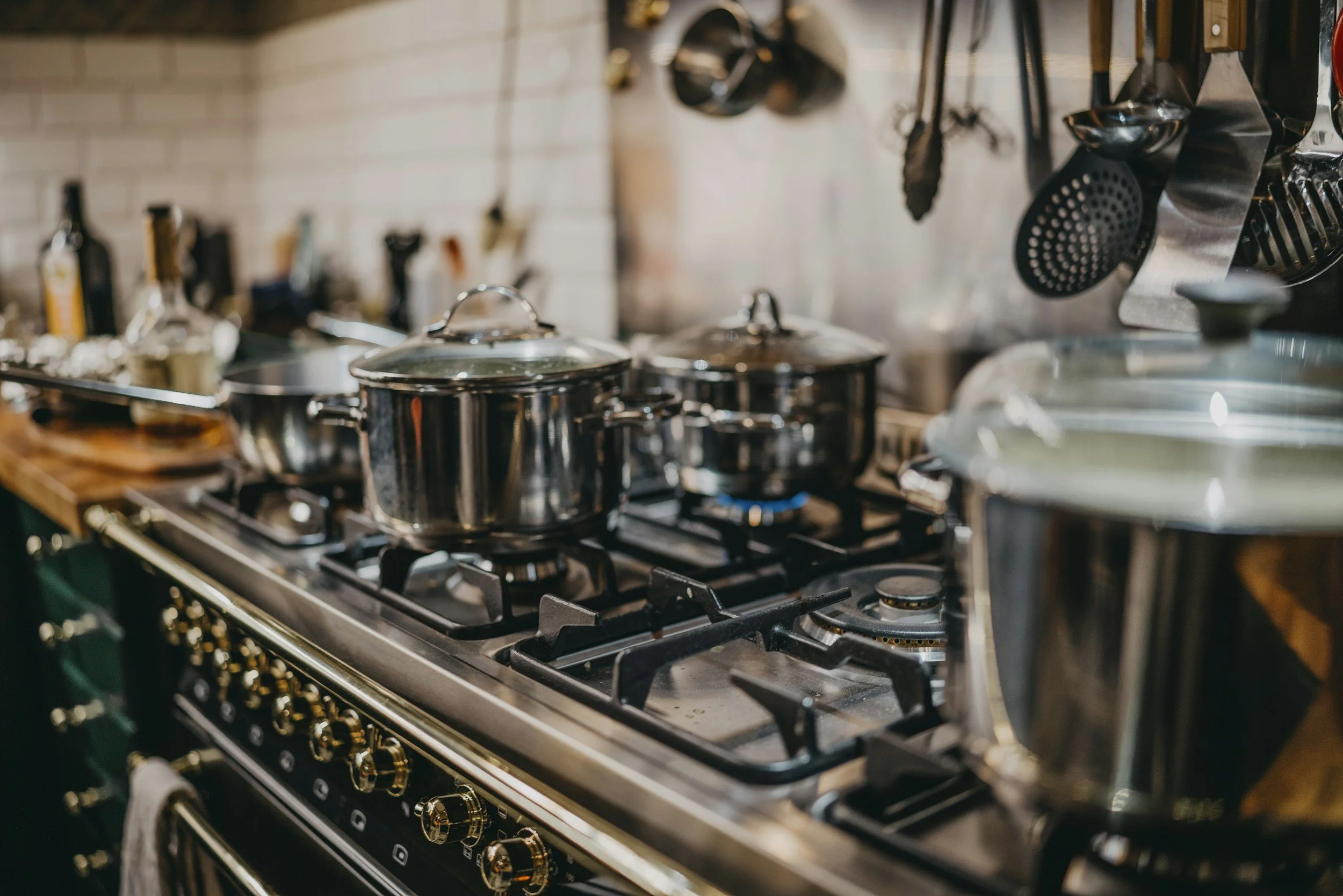
If you're building a home, renovating a kitchen, or replacing an aging appliance, you might be weighing the choice between gas and electric stoves. The decision involves two separate sets of considerations: indoor air quality and climate impact. Understanding both can help you make the right choice for your situation.
Gas stoves emit pollutants that affect indoor air quality. The health effects are measurable at a population level but hard to predict for individuals. The push toward electric appliances is driven primarily by climate goals, though indoor air quality is a separate legitimate concern. The practical barriers to switching are significant, especially for renters and people on tight budgets.
What Gas Stoves Actually Emit
When you turn on a gas burner, you're creating combustion. That means nitrogen dioxide (NO₂), the same pollutant produced by cars and power plants. NO₂ is a respiratory irritant that can aggravate asthma and reduce lung function, especially in children. Gas stoves also produce small amounts of carbon monoxide, formaldehyde, and benzene. Like PFAS in nonstick cookware, these are concerning because of their health effects even at low levels.
Nitrogen dioxide is the main concern. Studies measuring real-world kitchens have found NO₂ concentrations that routinely exceed EPA outdoor air quality standards. That's the strange part: levels that would be considered unsafe outside are common inside homes, where we spend most of our time.
Gas stoves also contribute to particulate matter (PM2.5), though most of that comes from the cooking itself, not the fuel. Searing meat, frying, or anything that creates smoke produces particles regardless of whether you're using gas or electric. The difference is that gas adds combustion byproducts on top of the cooking emissions.
How much pollution you get depends on the age and condition of your stove, how well the burners are adjusted, how long you cook, and whether you use ventilation. Older stoves and poorly maintained burners emit more. Smaller homes see higher concentrations because there's less air to dilute the pollutants.
The Indoor Air Quality Research
A 2022 Stanford study measured nitrogen dioxide in homes with gas stoves and found that even short cooking sessions could produce concentrations exceeding outdoor health standards. In smaller homes and apartments, levels stayed elevated for hours after cooking.
The researchers also found that stoves leak small amounts of methane even when turned off, though the climate impact matters more than the direct health effect there. The focus has been on what happens when you're actually cooking.
Here's the context that matters: outdoor NO₂ standards exist because we know long-term exposure increases respiratory problems. The EPA sets limits for outdoor air, but there are no federal standards for indoor air quality. Gas stove emissions regularly push indoor NO₂ above what would be allowed outside, particularly in homes without strong ventilation.
Electric stoves don't produce combustion emissions, so no nitrogen dioxide, carbon monoxide, or benzene. They still produce particulate matter when you cook, and induction stoves can create ultrafine particles from heating certain cookware. The point is that all cooking creates some pollution. Gas just adds another layer.
The Health Evidence
The most cited research is a 2013 meta-analysis that found children in homes with gas stoves had a 42% increased risk of asthma symptoms and a 24% increased lifetime asthma risk. That sounds dramatic, but it's a population-level statistic. It doesn't mean your child will definitely develop asthma, and it doesn't account for ventilation, home size, or cooking habits.
More recent studies have found similar patterns. Kids with asthma who live in homes with gas stoves tend to have more symptoms. Adults with existing respiratory conditions report worse outcomes. The effect is real, but individual risk is harder to pin down.
The research has limitations. Most studies rely on surveys, not direct air quality monitoring in homes. They can't always separate gas stove use from other factors like neighborhood air pollution, housing quality, or secondhand smoke. Long-term studies tracking the same people over decades are rare.
What we do know: nitrogen dioxide irritates airways. Higher exposure is linked to more asthma symptoms. Kids are more vulnerable because their lungs are still developing and they breathe faster relative to body size. People with asthma or COPD are also at higher risk. If you live in a small apartment with poor ventilation and cook frequently, your exposure is higher than someone in a large house with a powerful range hood.
The science supports concern. It doesn't support panic or sweeping bans that ignore how people actually live.
The Electrification Push: Climate Goals and Building Codes
The push to electrify homes is primarily about climate, not indoor air. Direct fossil fuel combustion in residential and commercial buildings accounts for roughly 13% of US greenhouse gas emissions. Electrifying heating, water heaters, and cooking is part of broader efforts to address environmental infrastructure, from aging water systems to building decarbonization, especially as the grid shifts toward renewables.
Some cities and states have passed or proposed building codes that ban gas hookups in new construction. This doesn't affect existing homes or force anyone to replace their stove. It changes what gets installed in buildings that haven't been built yet. If you already own a gas stove, no one is requiring you to replace it.
Policy efforts focus on new construction and incentives for voluntary replacement. The Inflation Reduction Act offers tax credits for electric appliances, which can help offset the upfront cost difference. Building codes vary by jurisdiction, so if you're planning new construction or a major renovation, local requirements may influence your options.
The indoor air quality research and climate policy overlap but serve different goals. Air quality is about immediate health impacts in your home. Climate policy is about reducing emissions economy-wide. Both are legitimate concerns, and both can inform your decision if you're in a position to choose.
The Practical Reality
If you're considering switching, the most relevant options are induction and standard electric coil or smoothtop. Induction is faster and more responsive than gas, with precise temperature control. It's also the most expensive upfront, and it requires magnetic cookware. Stainless steel and cast iron work well with induction, but aluminum and copper don't unless they have a magnetic base. Standard electric is cheaper but slower to heat and cool, which frustrates people used to gas.
Costs vary widely. A mid-range induction cooktop runs $1,000 to $2,500. Installation might require a 240-volt outlet if you don't already have one, and older homes may need electrical panel upgrades, adding another $1,500 to $3,000. That's not realistic for renters or people living paycheck to paycheck.
Performance matters to people who cook. Gas offers immediate heat and visible flames. Induction matches or beats gas on responsiveness, but there's a learning curve. Standard electric is cheaper but slower to heat and cool, which can be frustrating if you're used to gas. For someone who rarely cooks, the switch is easier. For someone who cooks daily, it's a bigger adjustment.
Grid capacity is another consideration. Electrifying millions of homes means more demand on the grid, which needs to come from clean energy to deliver the climate benefits. If the grid still runs on coal or gas, you're shifting emissions, not eliminating them.
Renters face the biggest barriers. Landlords aren't swapping out stoves for tenants, and most leases don't allow appliance changes. Low-income households already dealing with high energy costs can't afford electric upgrades, even with rebates that require upfront payment and reimbursement later.
What You Can Do Right Now
Ventilation is the most effective step. A range hood vented to the outside, not recirculating, makes a measurable difference. Look for hoods rated at least 250 CFM (cubic feet per minute) for serious ventilation, and actually use it every time you cook. Turn it on before you light the burner and leave it running for a few minutes after.
If you don't have a range hood or can't install one, open windows while cooking and use fans to create cross-ventilation. It's not as effective, but it helps.
Air quality monitors can tell you what's happening in your home. Monitors that measure PM2.5 are widely available and affordable. NO₂ monitors exist but cost more. If you have kids with asthma or respiratory issues, monitoring gives you real data instead of guessing.
Maintain your stove. Make sure burners are burning blue, not yellow or orange, which indicates incomplete combustion and higher emissions. If you smell gas when the stove is off, call your utility company. Small leaks are common and fixable.
Cooking practices matter too. Using lids reduces emissions. Avoiding high heat when you don't need it helps. Grilling or searing outdoors when possible keeps the worst emissions outside.
If you're replacing a stove anyway, consider the switch. If your current stove works fine and you can't afford an upgrade, focus on ventilation and maintenance. If you're building or renovating, the choice is easier because the infrastructure costs are already part of the project.
The Bottom Line
Gas stoves do emit pollutants that affect indoor air quality. The research on respiratory health, particularly for children, is credible. The risk is real but variable, depending on how much you cook, how you ventilate, and who lives in your home.
The push toward electrification is mostly about reducing greenhouse gas emissions, not a sudden realization that gas stoves are dangerous. The two issues overlap but serve different goals. Indoor air quality is about health impacts in your home. Climate policy is about reducing emissions at scale. They both matter when you're making decisions about your kitchen.
If you already own a gas stove and it works well, you're not required to replace it. New building codes in some jurisdictions affect future construction. Incentives and rebates might make switching more affordable, but the upfront costs and infrastructure requirements are still significant barriers for most people.
Make decisions based on your situation. If you have young kids, asthma in the household, or a small poorly ventilated space, improving ventilation or switching makes sense. If you're in a large home with a good range hood and no respiratory concerns, the urgency is lower. If you're a renter or can't afford the switch, do what you can with ventilation and maintenance.
The science is worth taking seriously. The decision is yours to make.
Related Reading
PFAS in Nonstick Cookware: Gas stoves aren't the only source of chemical exposure in your kitchen. Learn about PFAS in nonstick pans, how it gets into food, and safer cookware alternatives.
Stainless Steel Cookware: Switching to induction? Stainless steel is the most versatile option for magnetic cooktops. This guide covers grades, construction, and what actually matters.
Cast Iron Cookware: Cast iron works on any heat source including induction, lasts decades, and adds iron to your diet. Here's what you need to know about seasoning, care, and when to use it.
Eco-Labels and Certifications: From Energy Star appliances to air quality certifications, understanding which labels matter helps you make informed decisions about products that affect your home environment.
